Site Visits - Visitas
Guided Tours — Construction History Perspectives
As part of CHSA–UNAM 2026, participants are invited to join two curated site visits that extend the discussions of the conference into the built environment of Mexico. These tours are conceived not as general visits, but as construction history field experiences, emphasizing materials, techniques, labor, and the relationship between design and building across time.
Visitas Guiadas — Perspectivas desde la Historia de la Construcción
Como parte de CHSA–UNAM 2026, se invita a las y los participantes a formar parte de dos recorridos cuidadosamente diseñados que extienden las discusiones del congreso hacia el entorno construido de México. Estas visitas no se conciben como recorridos generales, sino como experiencias de campo en historia de la construcción, con énfasis en materiales, técnicas, organización del trabajo y la relación entre diseño y edificación a lo largo del tiempo.
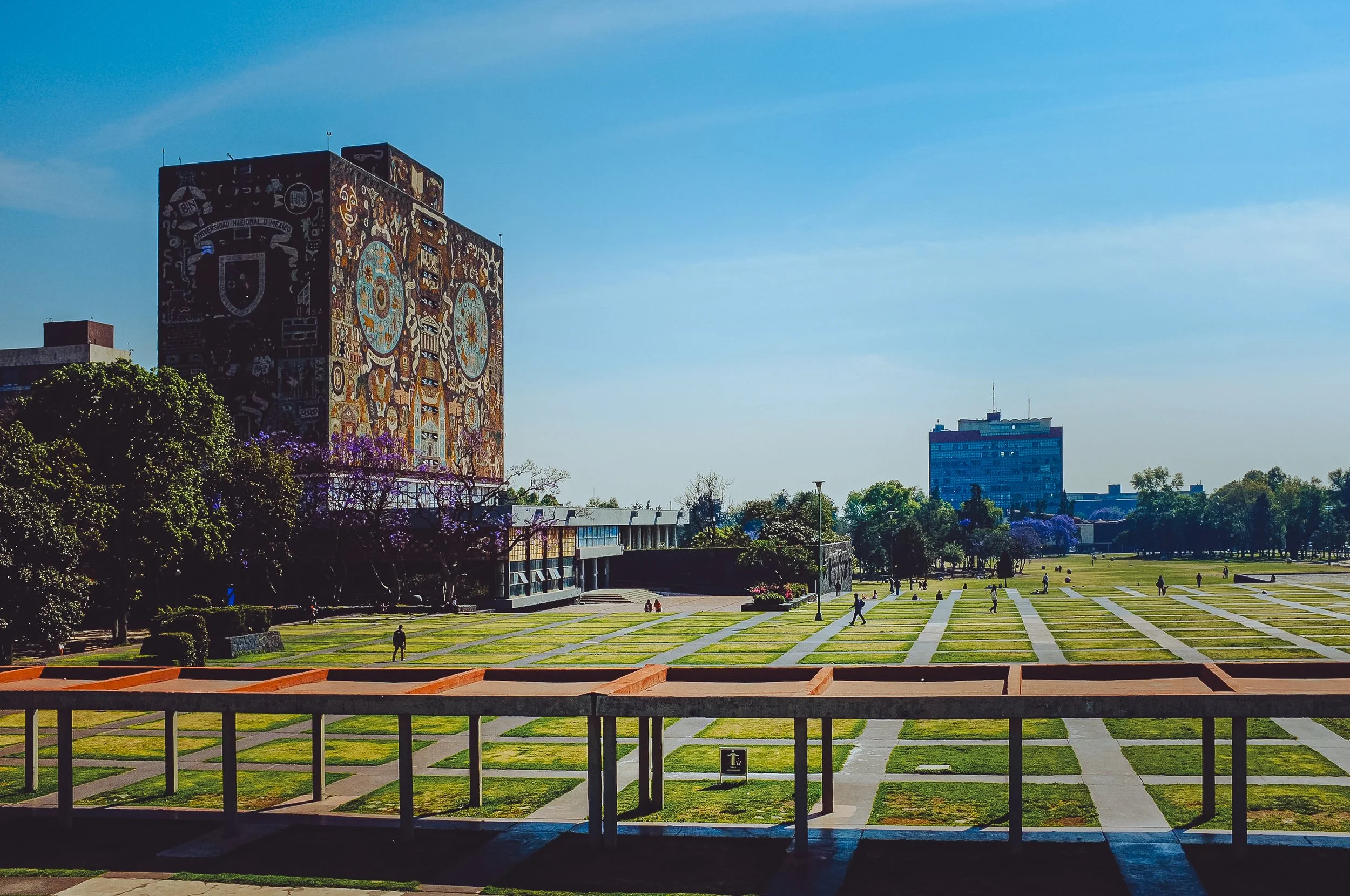
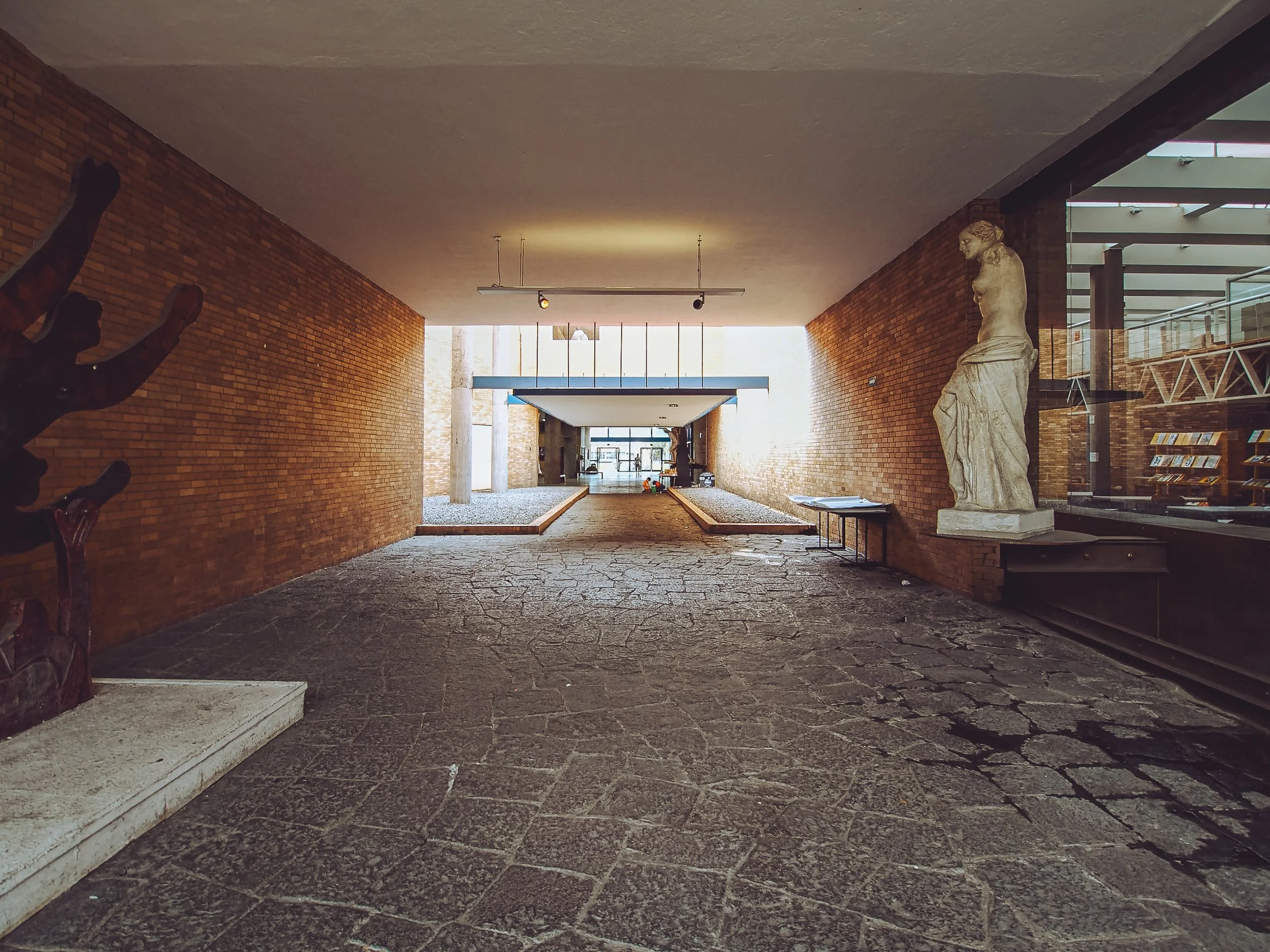
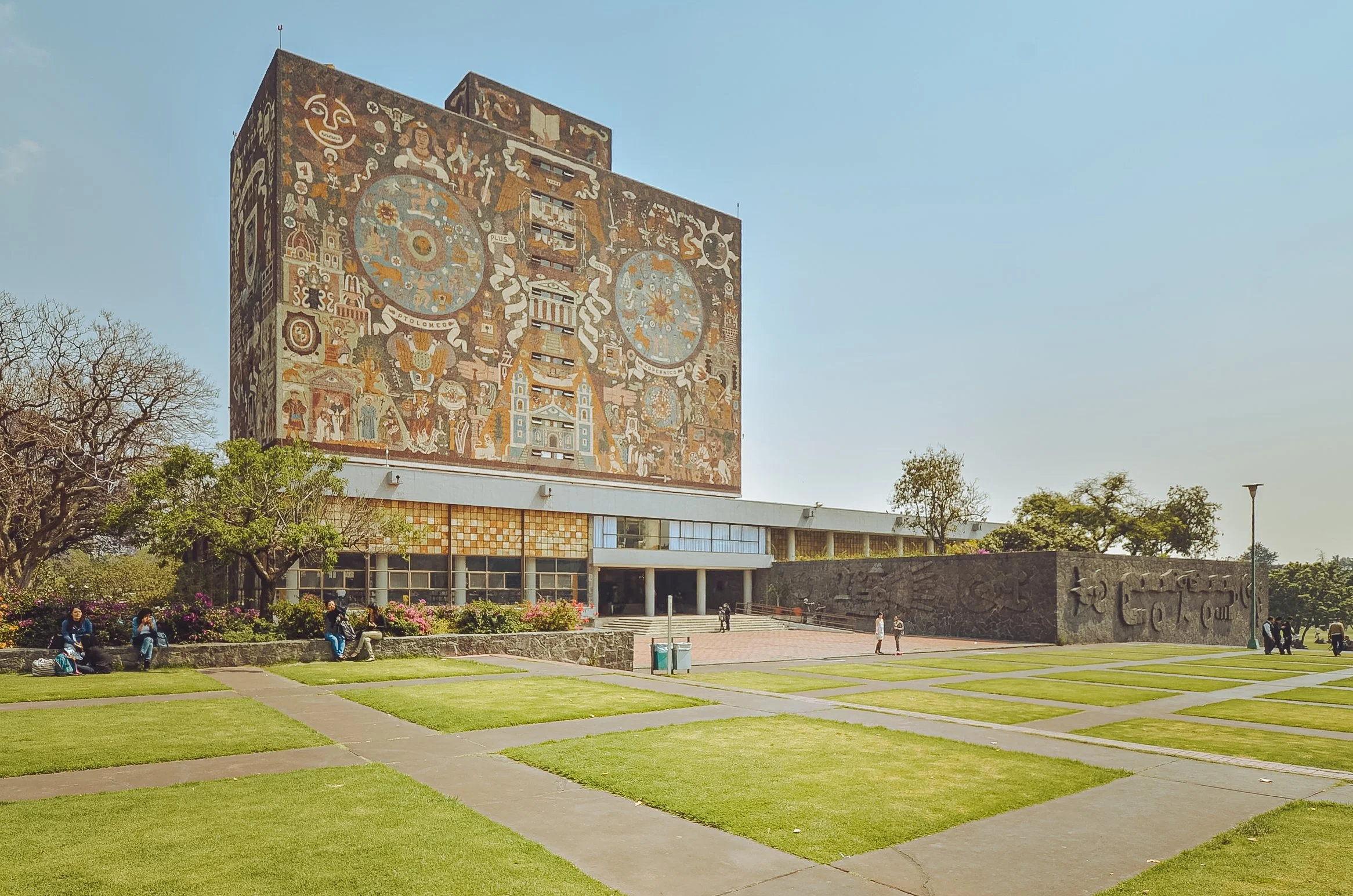
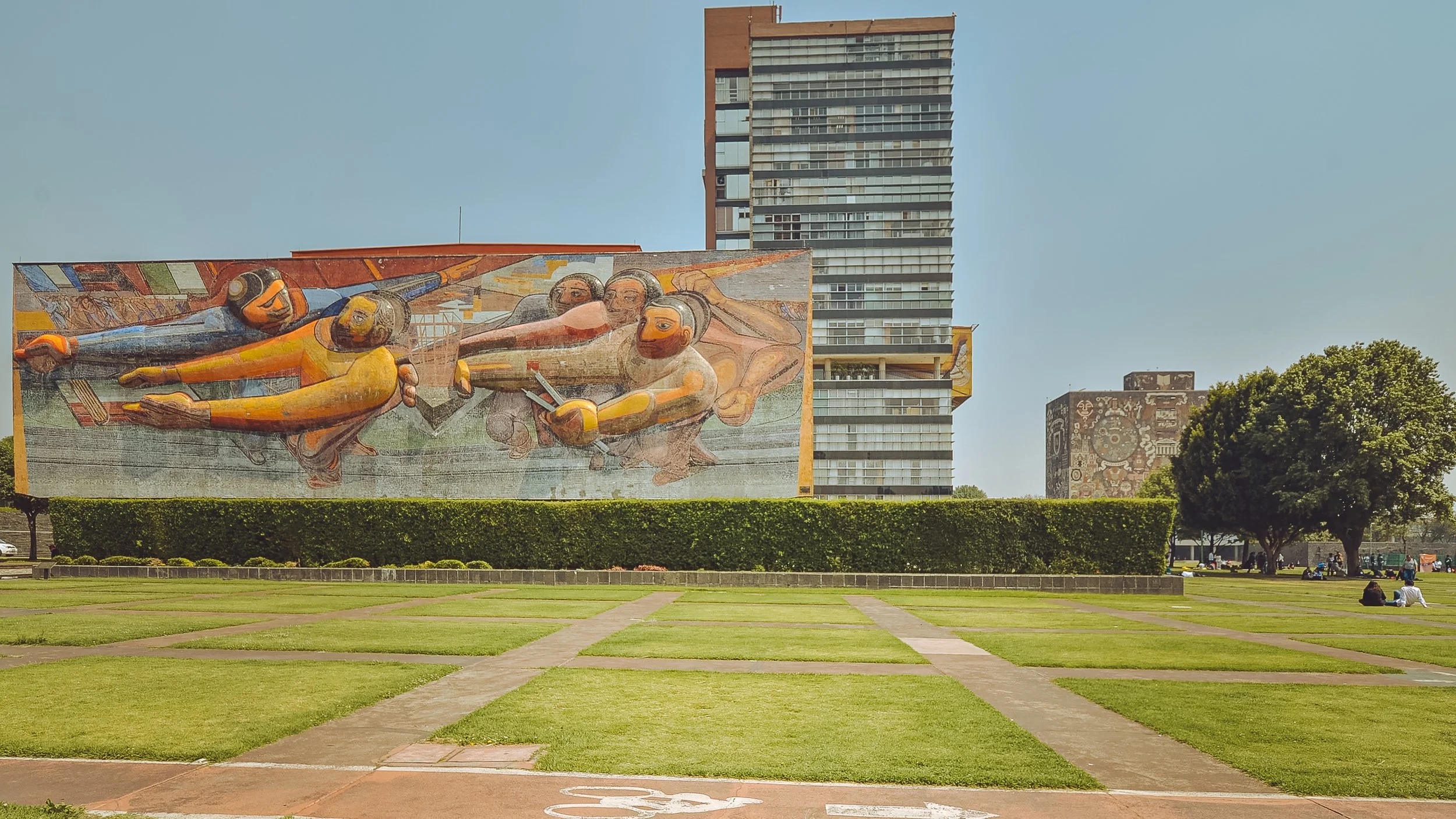
UNAM Campus Tour — Modernity, Materials, and Collective Construction
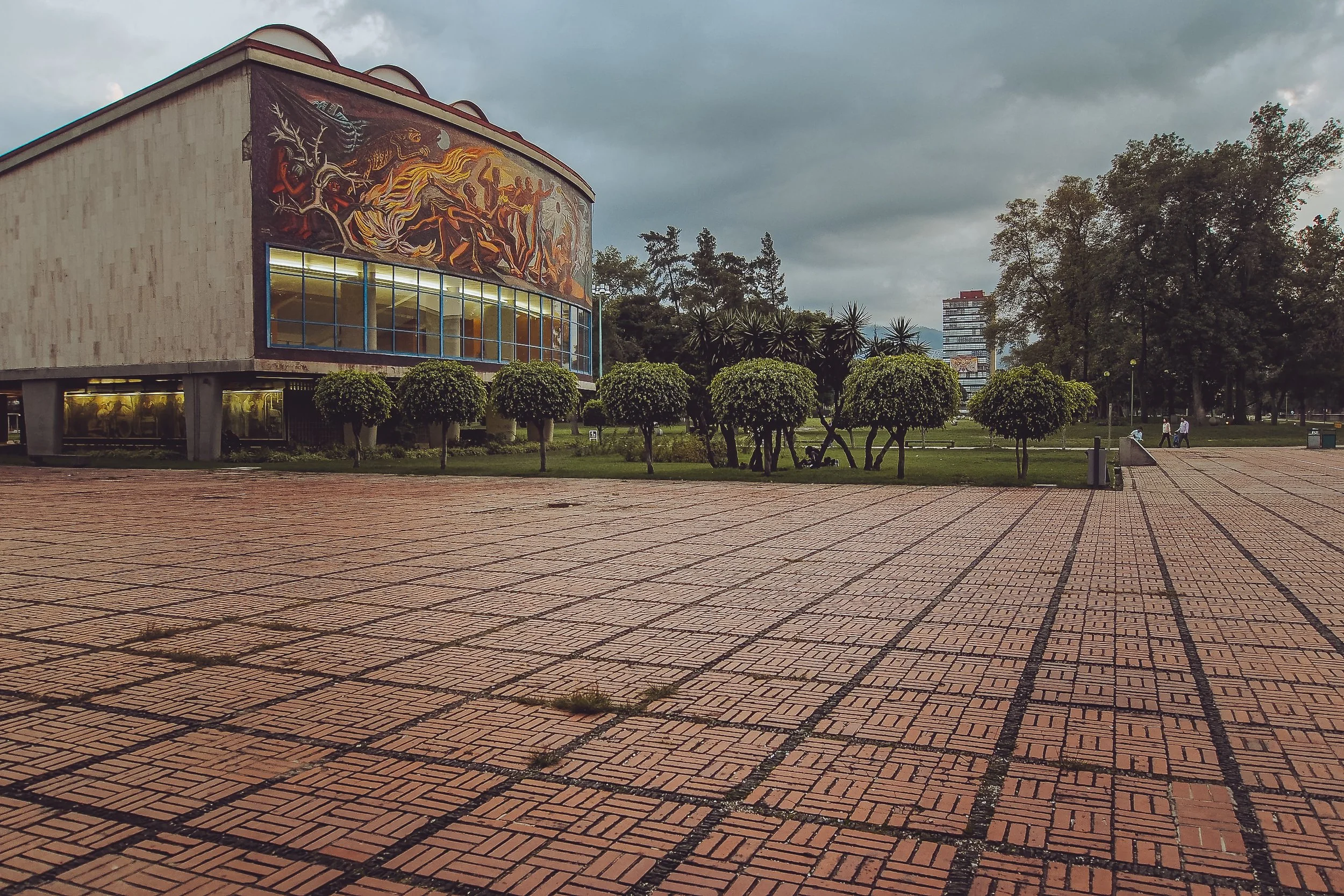
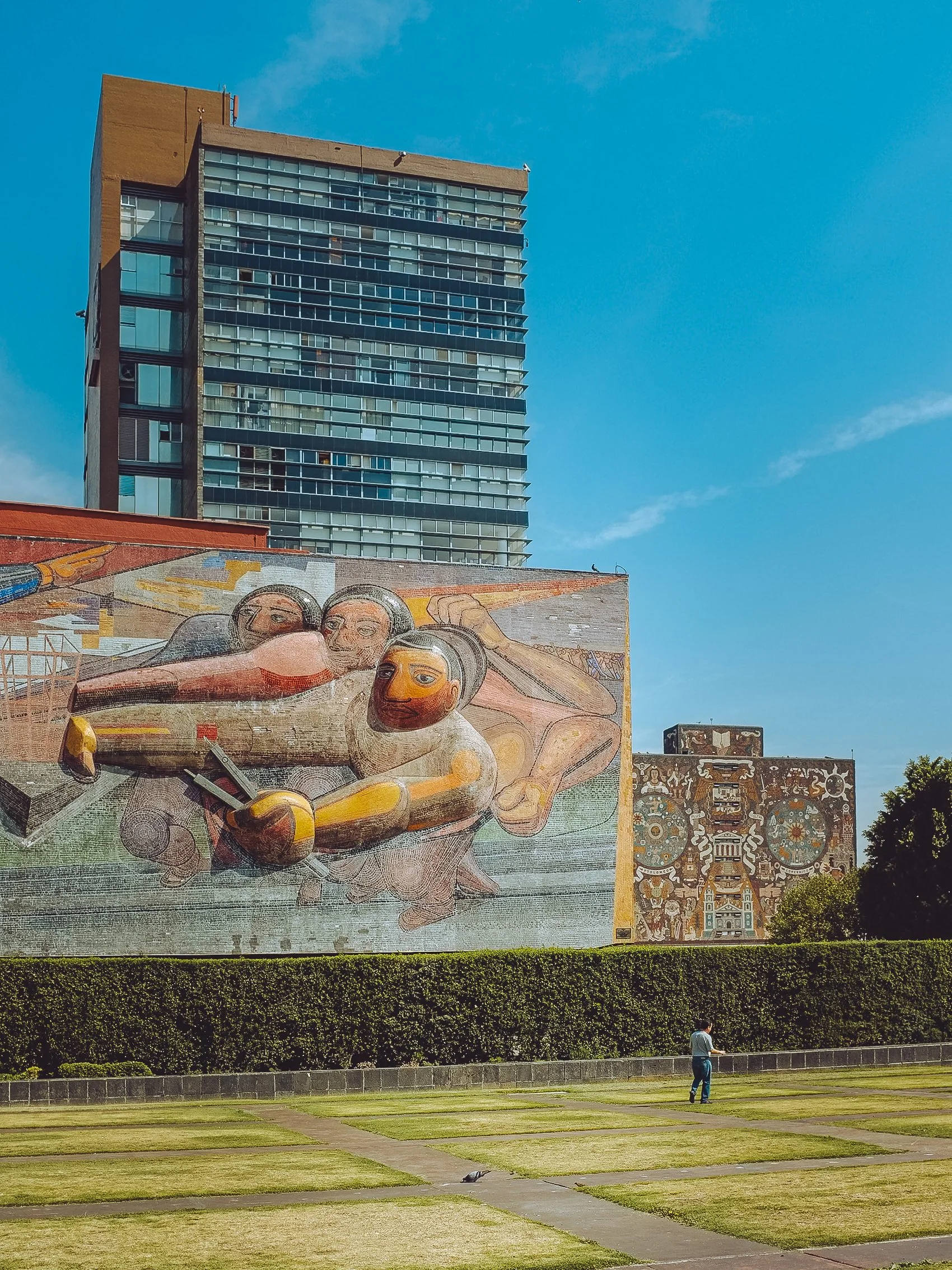
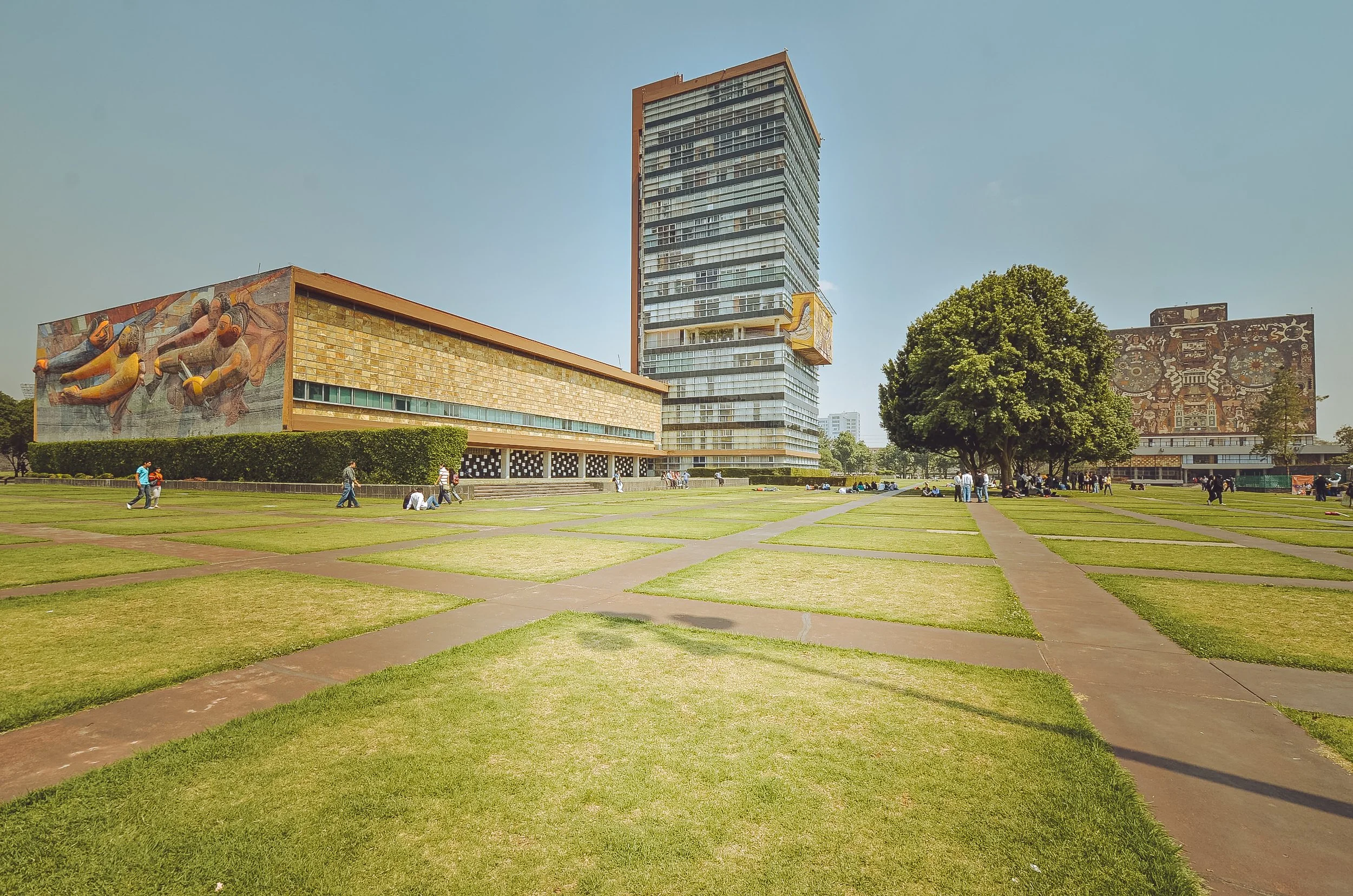
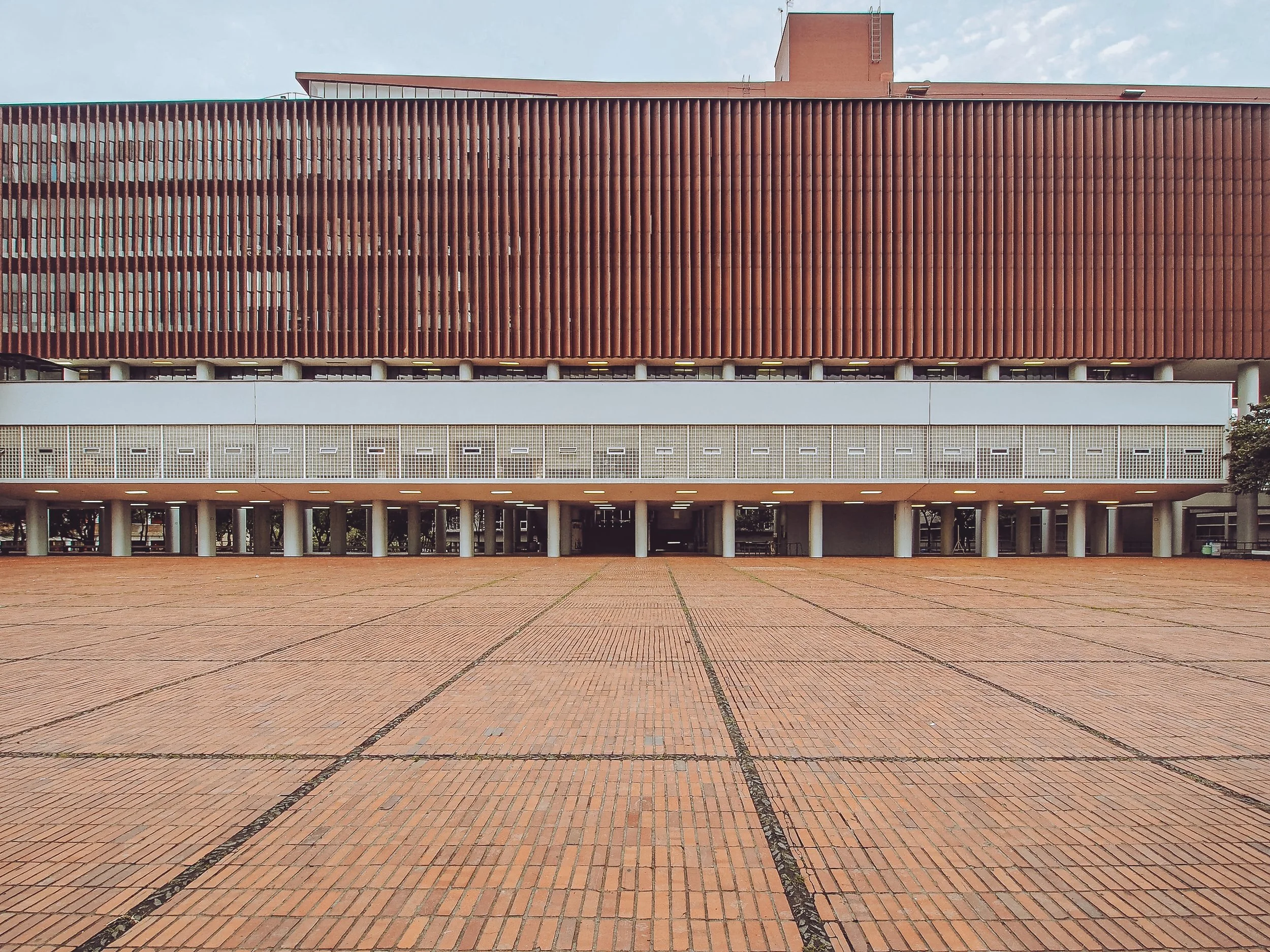
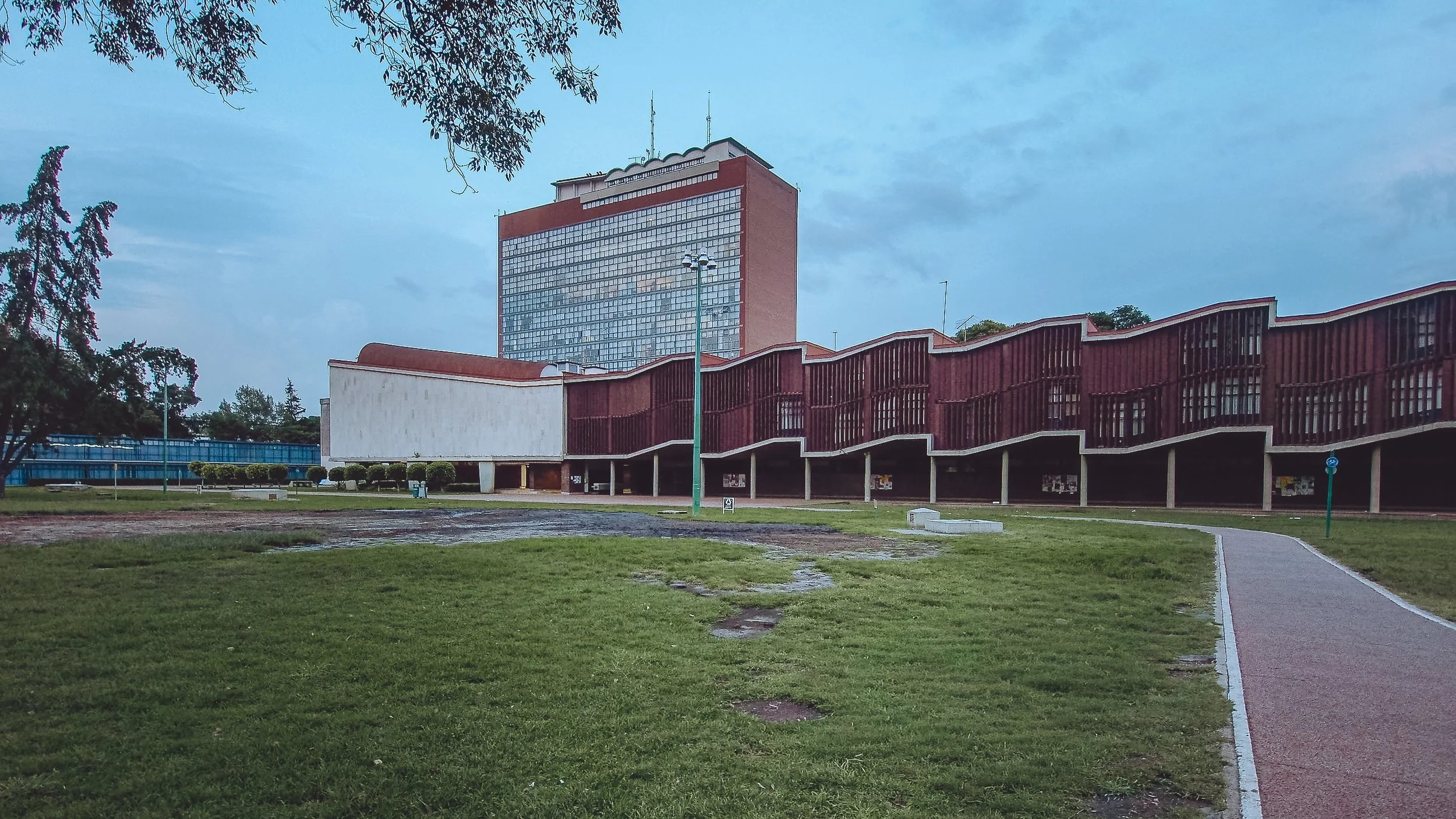
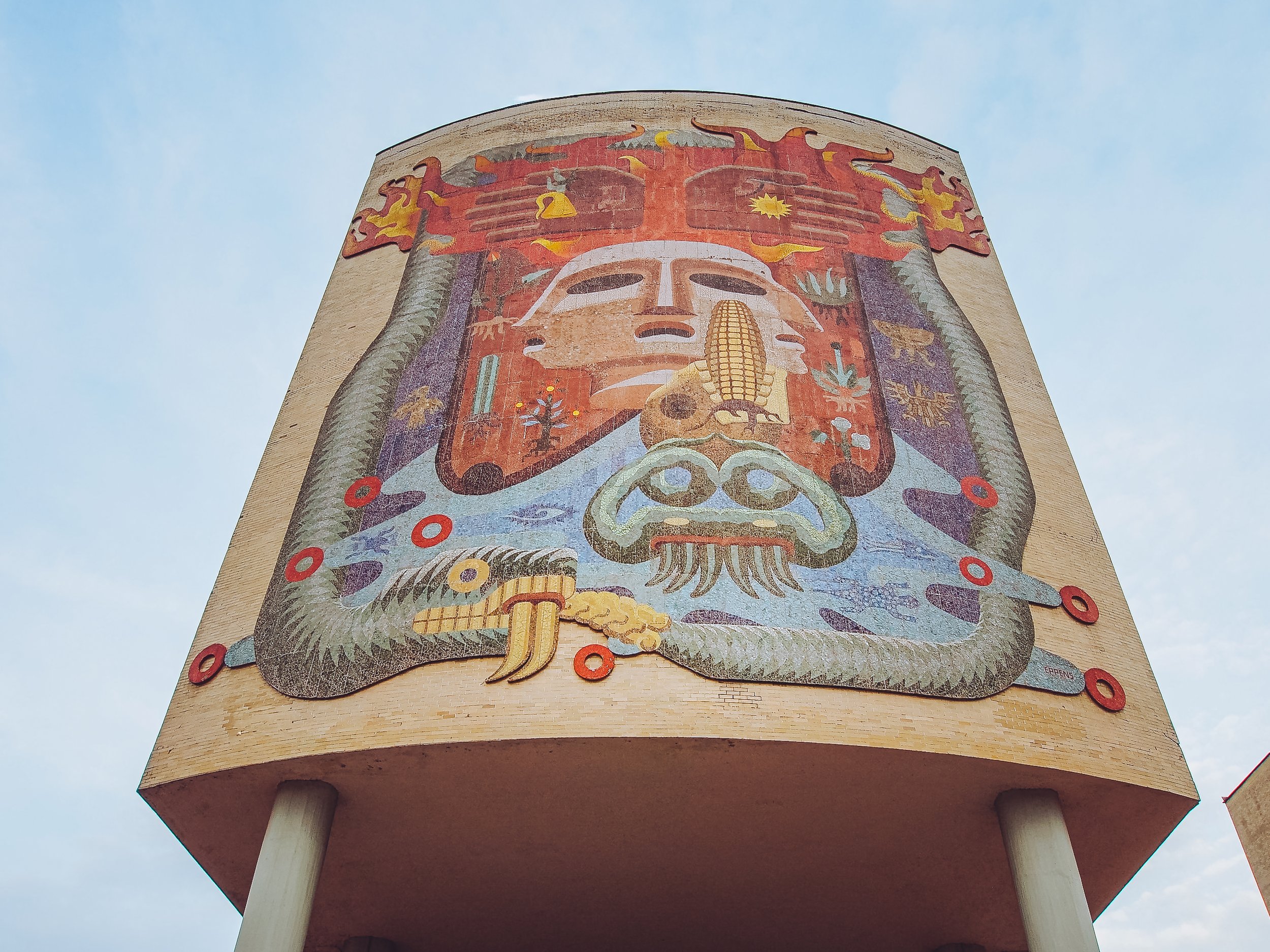
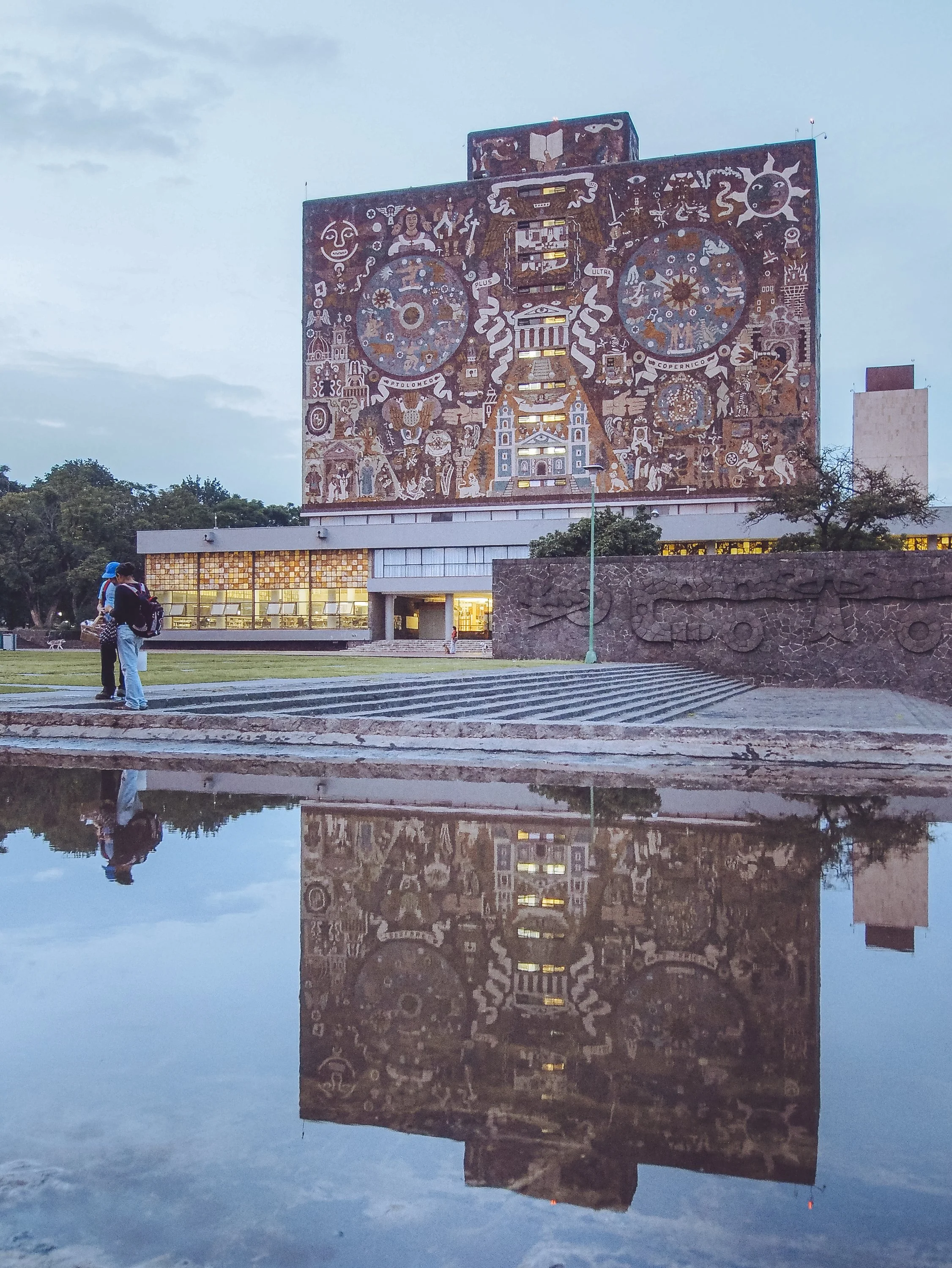
The visit to Ciudad Universitaria (UNAM) offers a unique opportunity to explore one of the most significant twentieth-century construction projects in Latin America. Developed in the early 1950s, the campus represents a coordinated effort between architects, engineers, artists, and builders, resulting in a cohesive yet diverse ensemble of buildings set within a dramatic volcanic landscape.
The tour will focus on the construction systems and material strategies that define the campus, including the widespread use of reinforced concrete, the integration of local volcanic stone (pedregal), and the adaptation of modernist principles to site-specific conditions. Participants will examine how buildings engage the terrain, how structural systems respond to programmatic needs, and how construction processes were organized at a large scale.
Special attention will be given to the relationship between architecture and art, particularly the integration of muralism into the construction of buildings as an intrinsic component rather than an applied layer. The campus will be discussed as a site where construction technology, cultural expression, and national identity converge.
As a UNESCO World Heritage Site, UNAM provides a compelling case study of how modern construction practices were localized, producing a built environment that is both technologically innovative and deeply rooted in its context.
Recorrido por Ciudad Universitaria (UNAM) — Modernidad, materiales y construcción colectiva
La visita a Ciudad Universitaria (UNAM) ofrece una oportunidad única para explorar uno de los proyectos constructivos más relevantes del siglo XX en América Latina. Desarrollado a inicios de la década de 1950, el campus representa un esfuerzo coordinado entre arquitectos, ingenieros, artistas y constructores, que dio como resultado un conjunto arquitectónico coherente y diverso, implantado en un paisaje volcánico de gran fuerza.
El recorrido se centrará en los sistemas constructivos y estrategias materiales que definen el campus, incluyendo el uso extensivo del concreto armado, la incorporación de piedra volcánica local (pedregal) y la adaptación de los principios del movimiento moderno a condiciones específicas del sitio. Se analizará cómo los edificios dialogan con la topografía, cómo los sistemas estructurales responden a necesidades programáticas y cómo se organizaron los procesos constructivos a gran escala.
Se prestará especial atención a la relación entre arquitectura y arte, particularmente a la integración del muralismo como parte constitutiva del proceso constructivo, y no como un elemento añadido. El campus se entenderá como un espacio donde la tecnología constructiva, la expresión cultural y la identidad nacional convergen.
Como sitio inscrito en la Lista del Patrimonio Mundial de la UNESCO, la UNAM constituye un caso ejemplar de cómo las prácticas constructivas modernas se adaptaron a condiciones locales, generando un entorno construido que es al mismo tiempo innovador y profundamente contextual.
Mexican Architecture Archives
Thursday June 4th 5:00pm
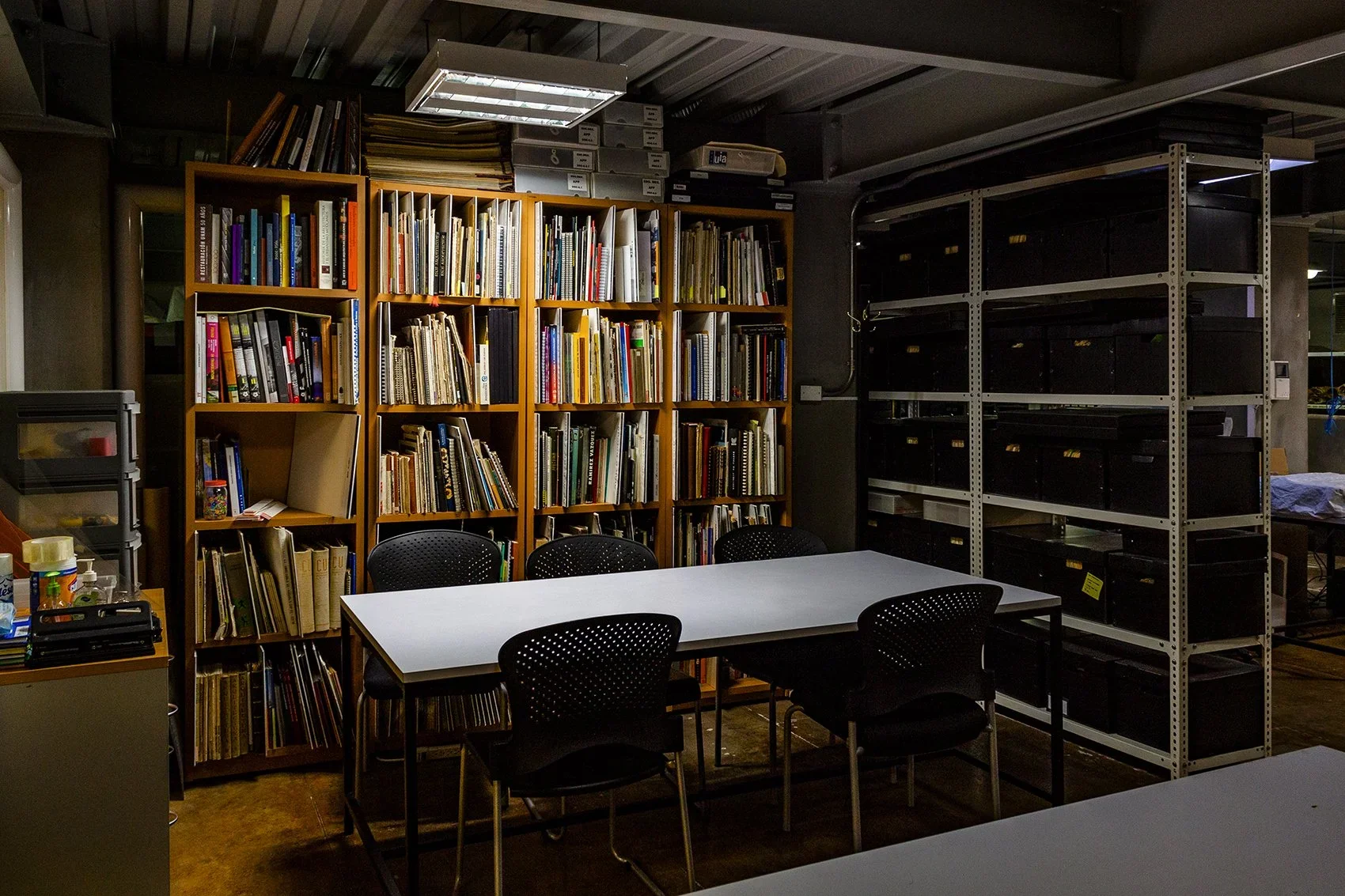
On Thursday afternoon, conference participants will have the opportunity to visit the Acervo de Arquitectura Mexicana, one of the most important private archives dedicated to the preservation, study, and dissemination of modern and contemporary Mexican architecture.
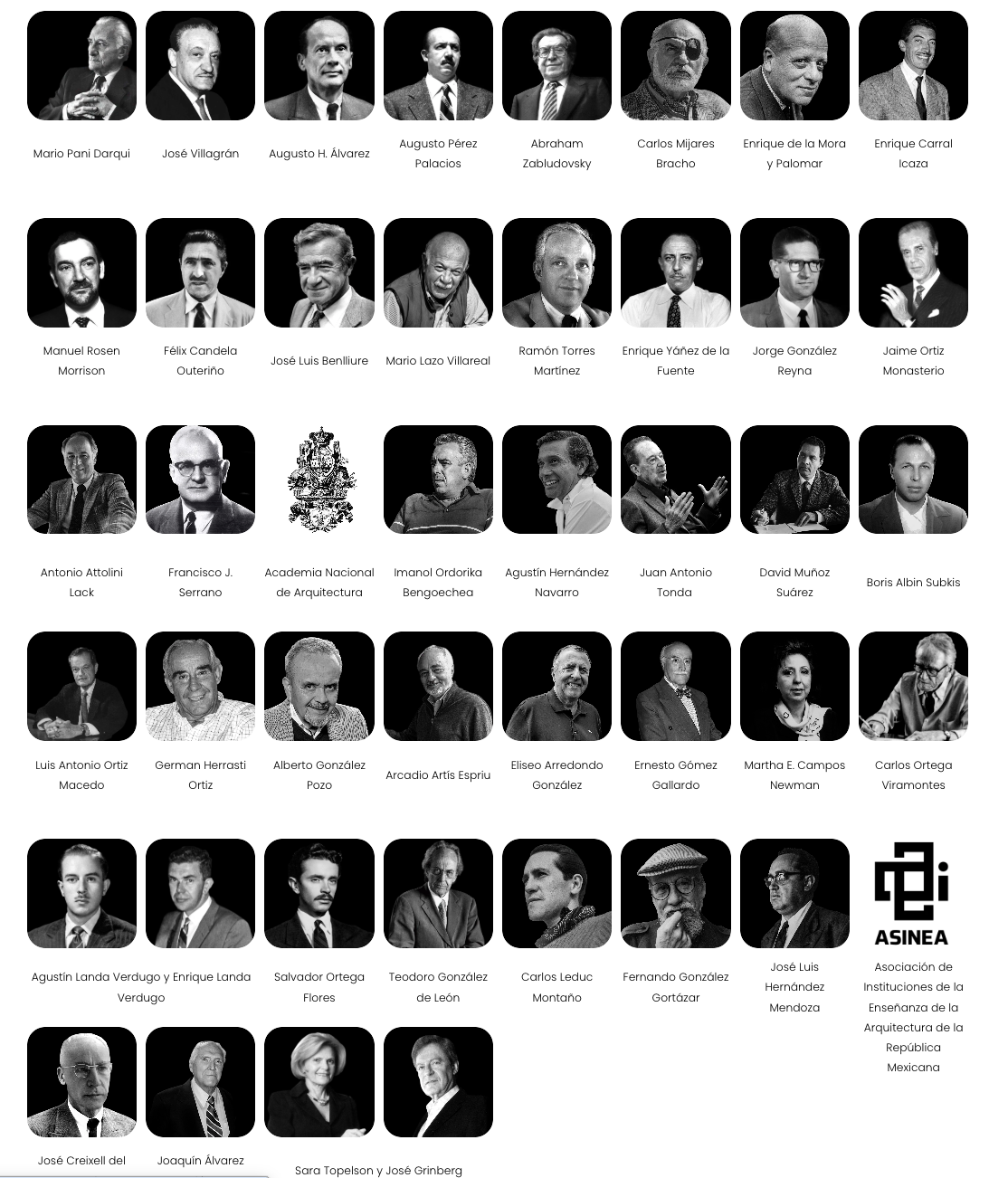
The archive houses an extraordinary collection of architectural drawings, photographs, models, publications, correspondence, and professional records documenting the work of some of the most influential architects in Mexico during the twentieth century. As a repository of both design and construction knowledge, the Acervo offers invaluable insight into the processes through which architecture was conceived, represented, negotiated, and ultimately built.
For scholars of construction history, the collection offers a unique opportunity to examine original materials that reveal the relationships among architectural ideas, technical development, structural experimentation, and building practice in modern Mexico. The archive also reflects broader transformations in architectural culture, urbanization, materials, and professional practice throughout the twentieth century.
Due to the nature of the collection and the archive's physical space, visits will take place in small groups of 15 participants, organized in 20-minute time slots throughout the afternoon. Further information regarding schedules and sign-up procedures will be provided during the conference.
Acervo de Arquitectura Mexicana
Jueves 4 de junio, 5:00pm
El jueves por la tarde, las y los participantes del congreso tendrán la oportunidad de visitar el Acervo de Arquitectura Mexicana, uno de los archivos privados más importantes dedicados a la preservación, el estudio y la difusión de la arquitectura moderna y contemporánea de México.
El archivo resguarda una extraordinaria colección de planos arquitectónicos, fotografías, maquetas, publicaciones, correspondencia y documentos profesionales que documentan la obra de algunos de los arquitectos más influyentes de México durante el siglo XX. Como repositorio de conocimiento tanto proyectual como constructivo, el Acervo ofrece una perspectiva invaluable sobre los procesos mediante los cuales la arquitectura fue concebida, representada, negociada y, finalmente, construida.
Para quienes estudian la historia de la construcción, la colección representa una oportunidad única para examinar materiales originales que revelan la relación entre ideas arquitectónicas, desarrollo técnico, experimentación estructural y práctica constructiva en el México moderno. Asimismo, el archivo permite comprender transformaciones más amplias en la cultura arquitectónica, la urbanización, los materiales y el ejercicio profesional a lo largo del siglo XX.
Debido a la naturaleza de la colección y a las dimensiones del espacio, las visitas se realizarán en grupos pequeños de 15 participantes, organizados en turnos de 20 minutos durante la tarde. Más información sobre horarios y registro se compartirá durante el congreso.
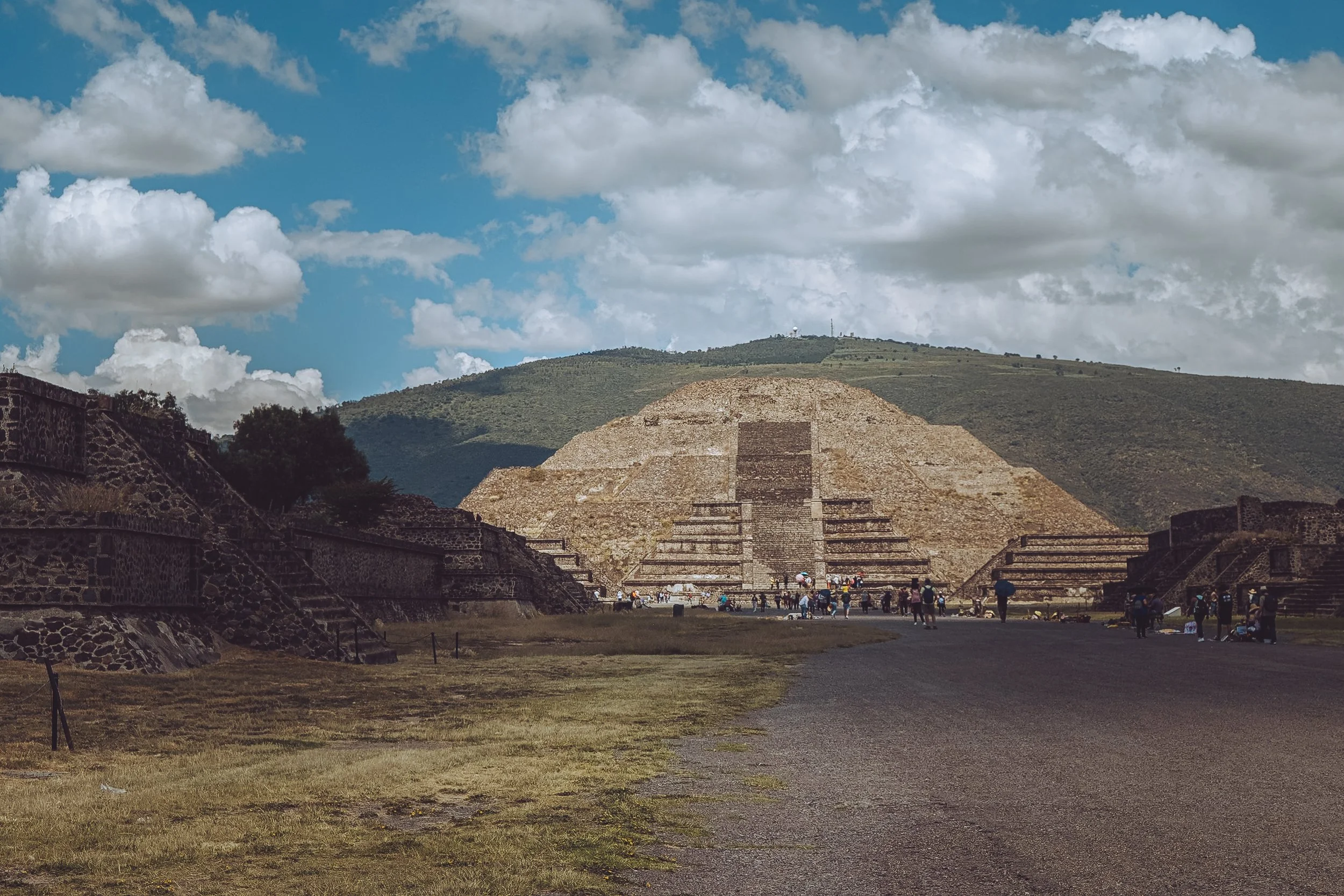
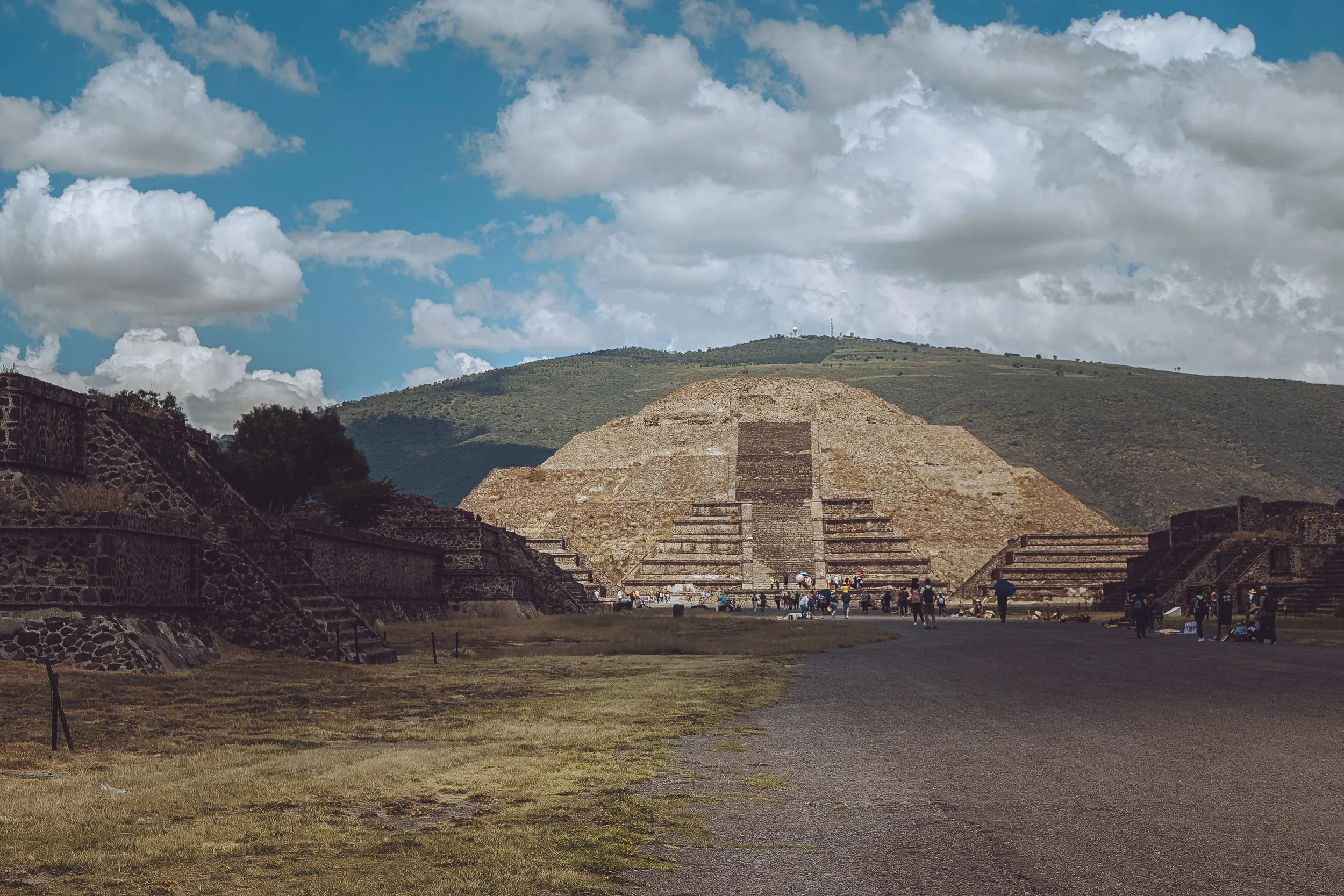
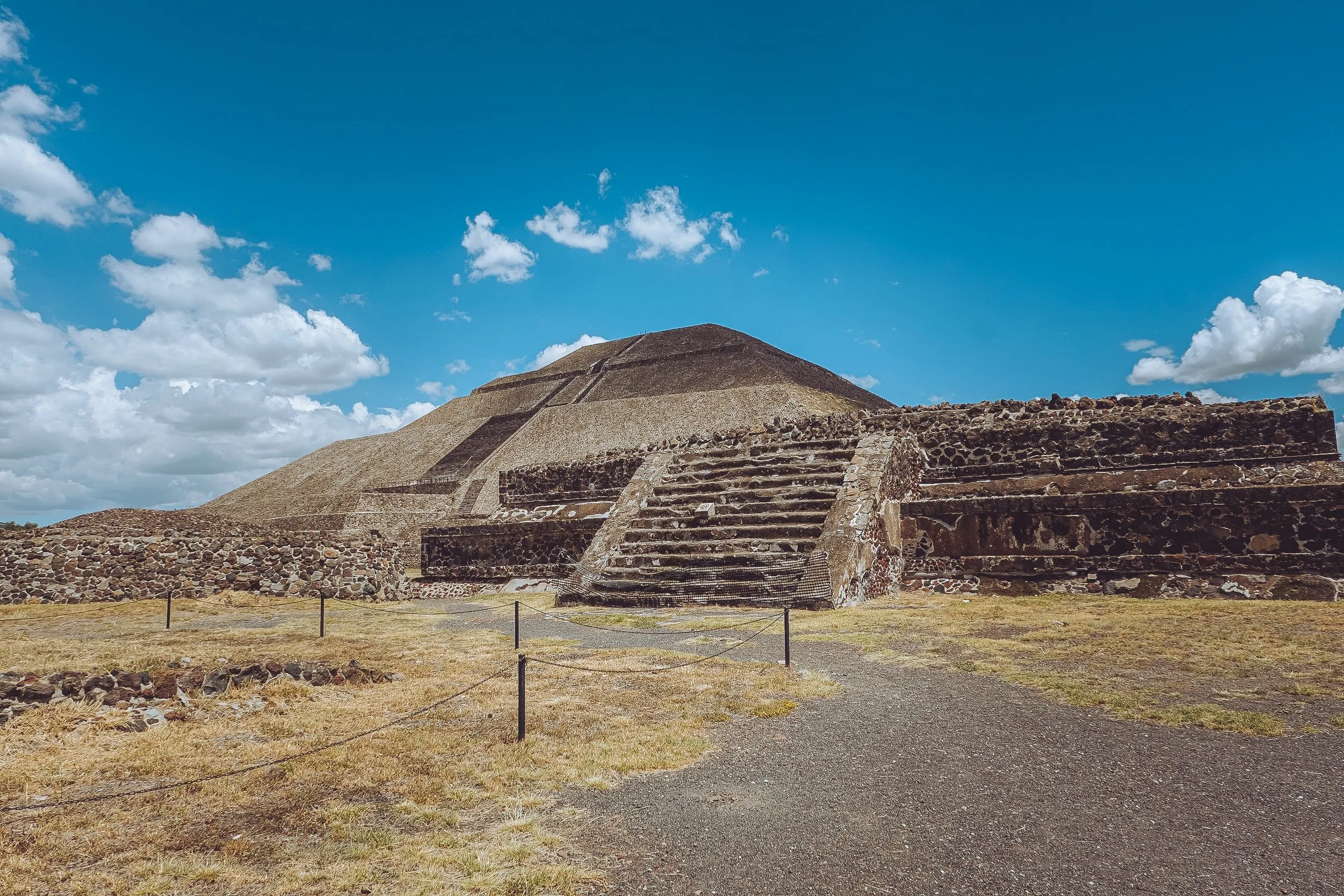
Teotihuacan Tour — Monumentality, Geometry, and Ancient Construction Knowledge
Saturday, June 6th. Departure: 8:00am Return 6:00pm (approximately)
Meeting point for departure: https://maps.app.goo.gl/hc4uoZzPKoegR8Xz9?g_st=ic
This trip includes transportation only and a sandwich for the road. Meals and site entrance is not included.
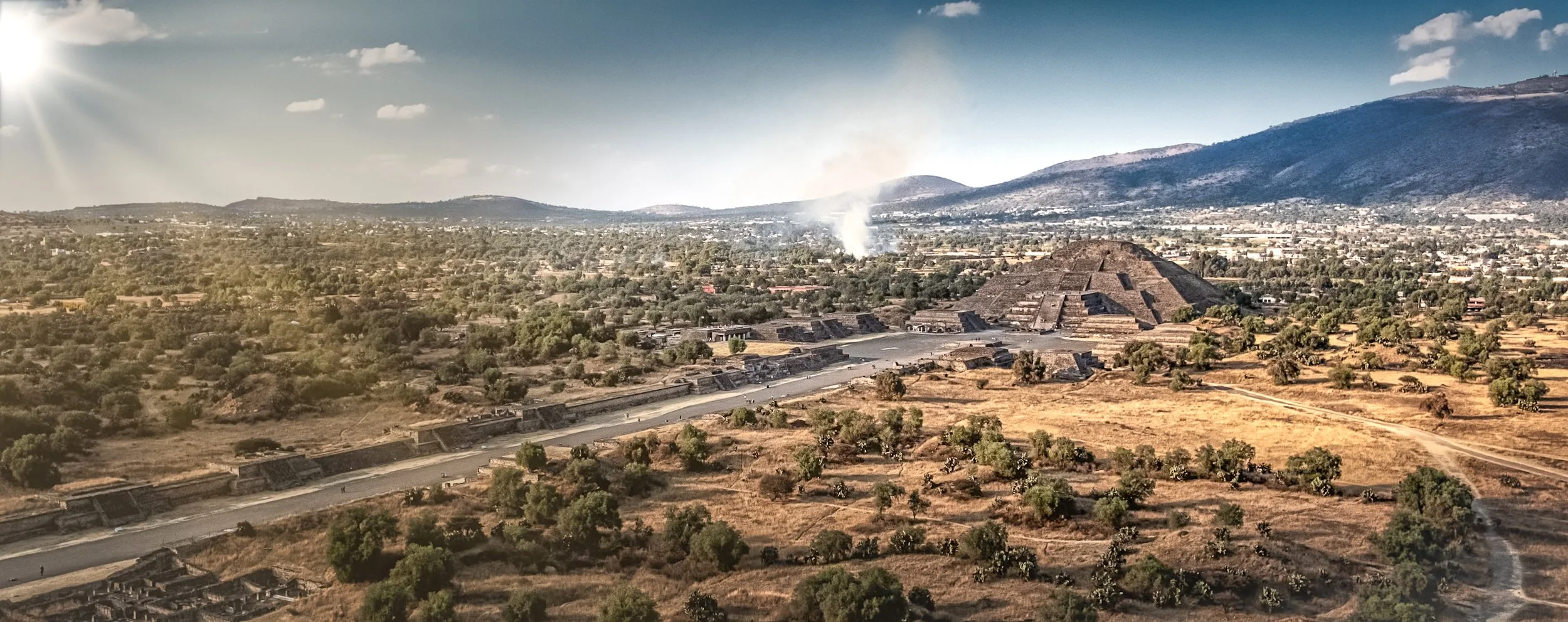
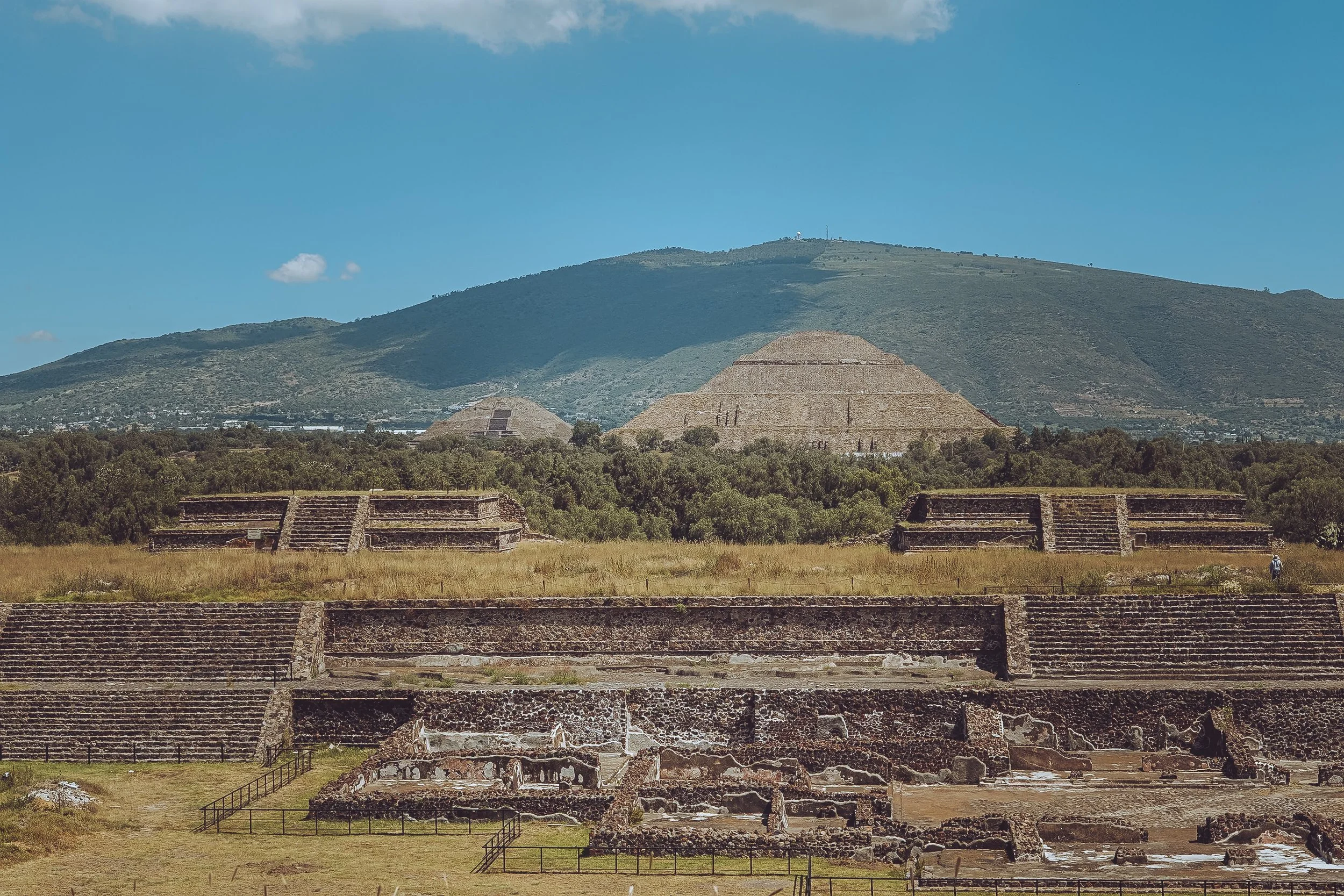
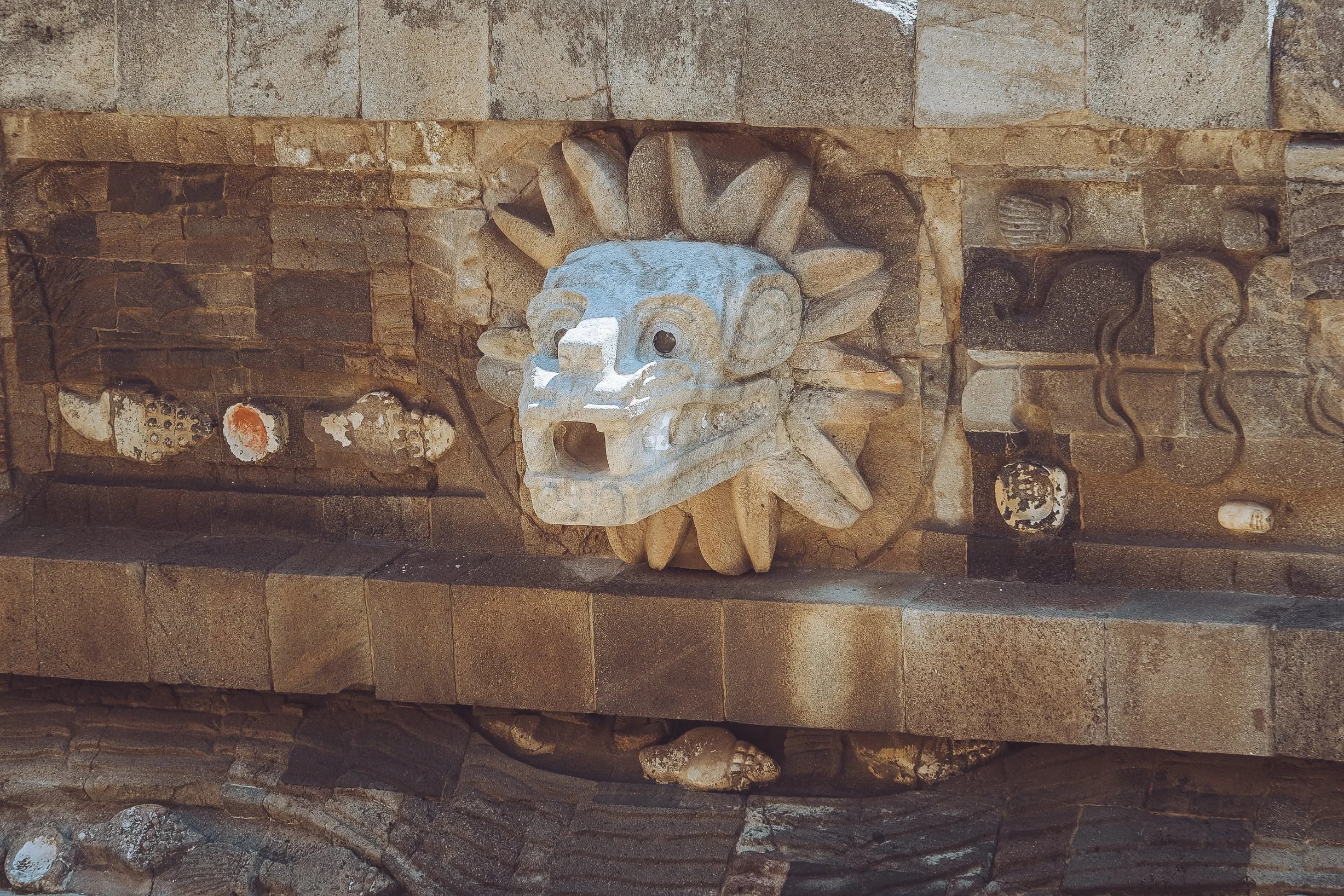
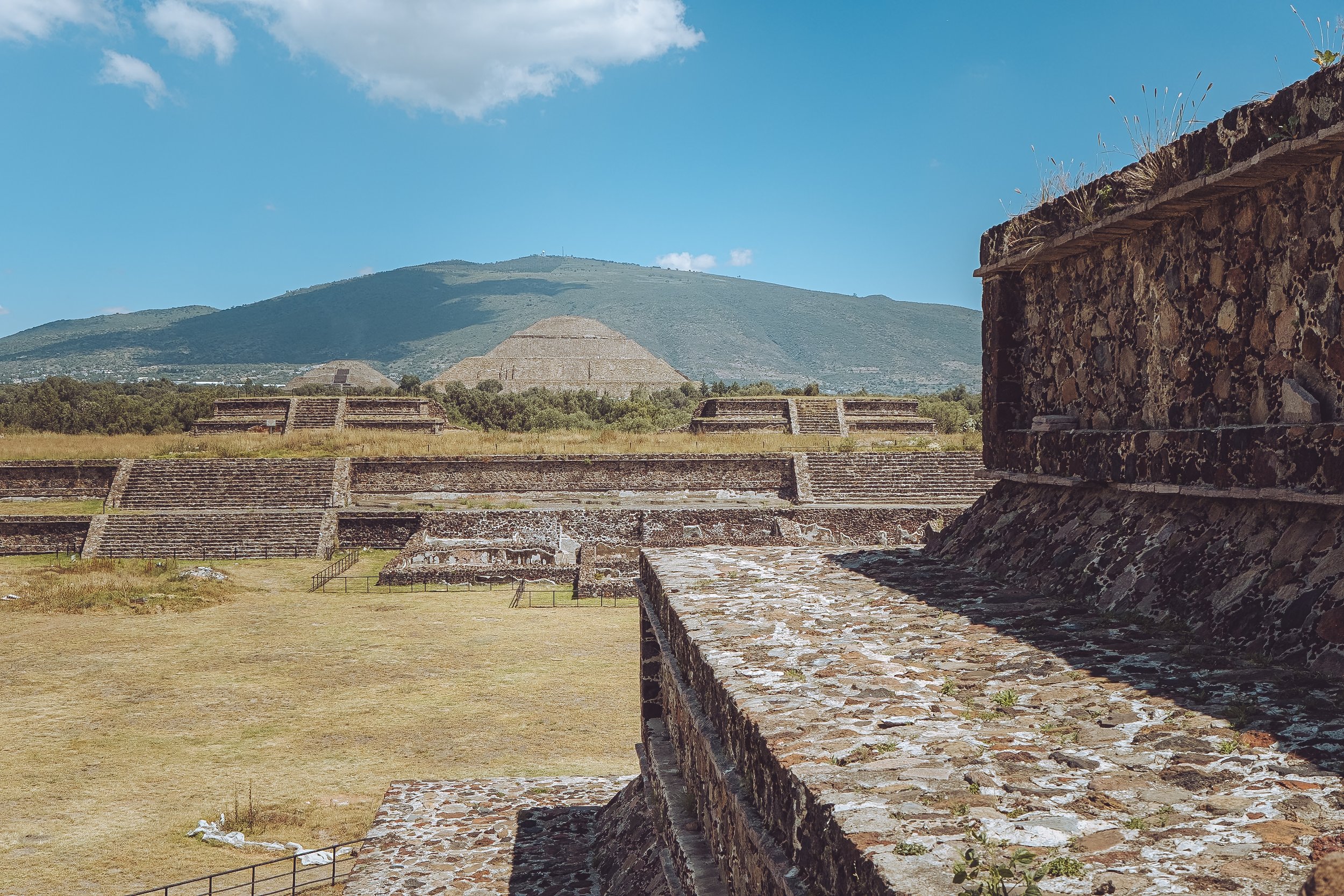
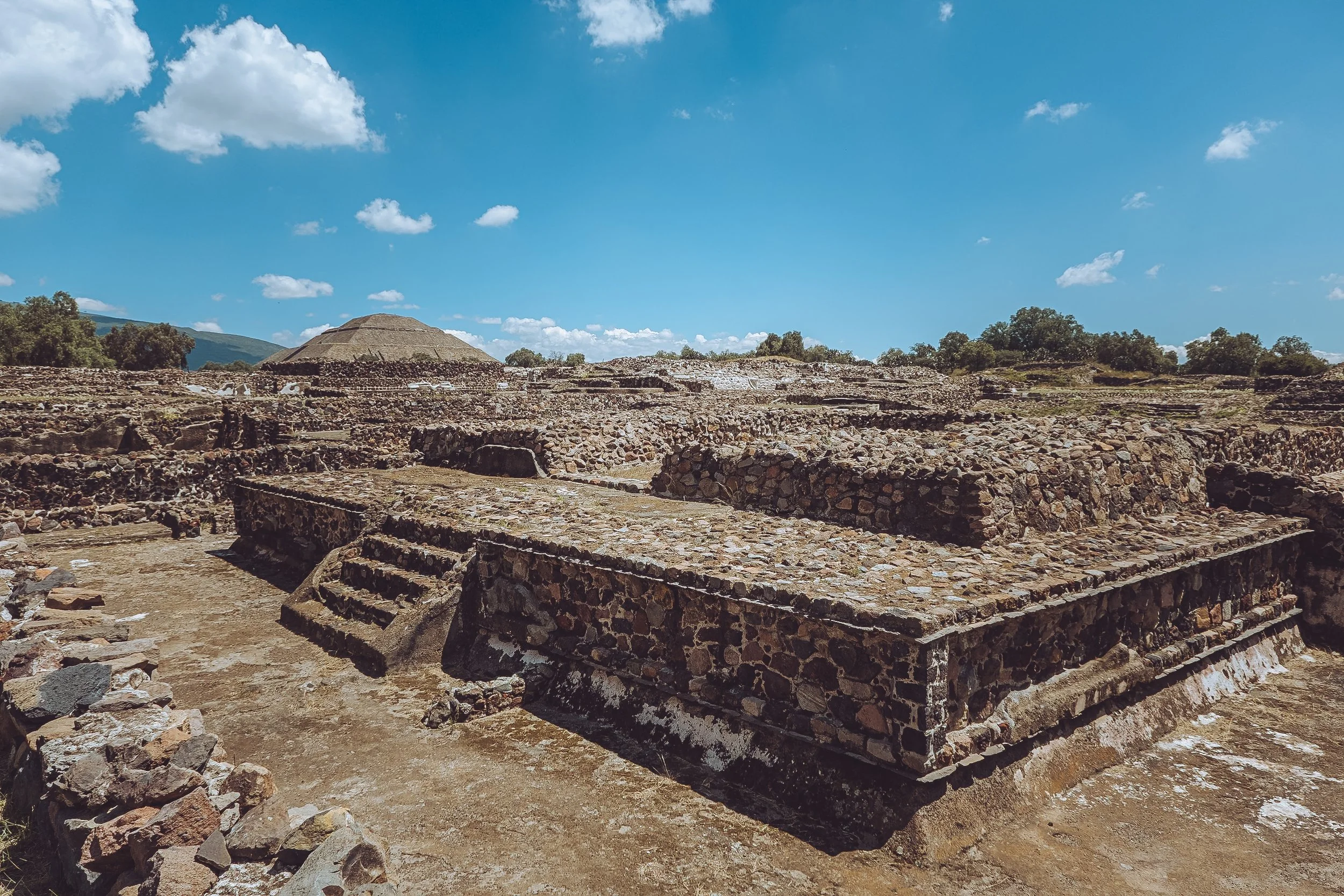
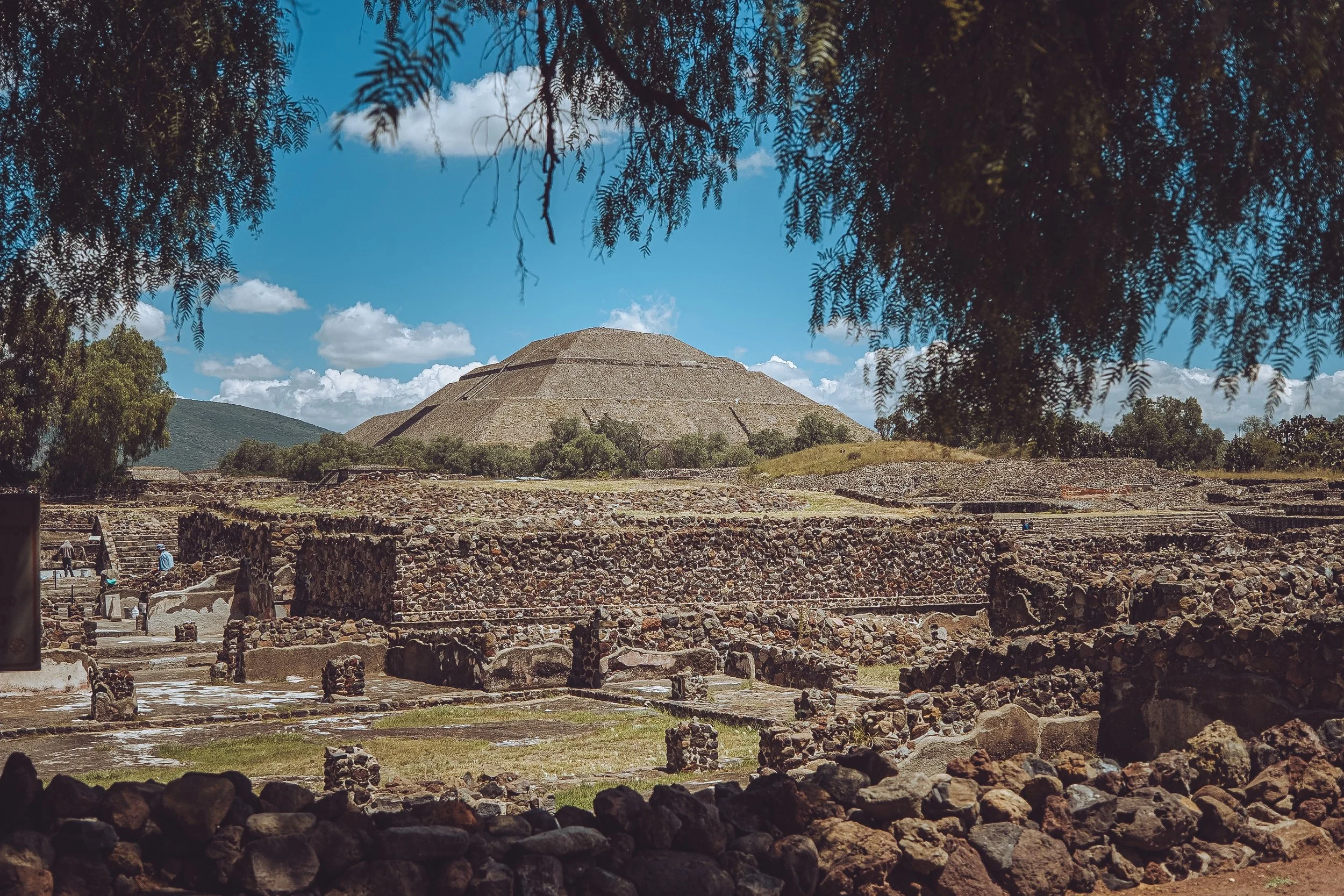
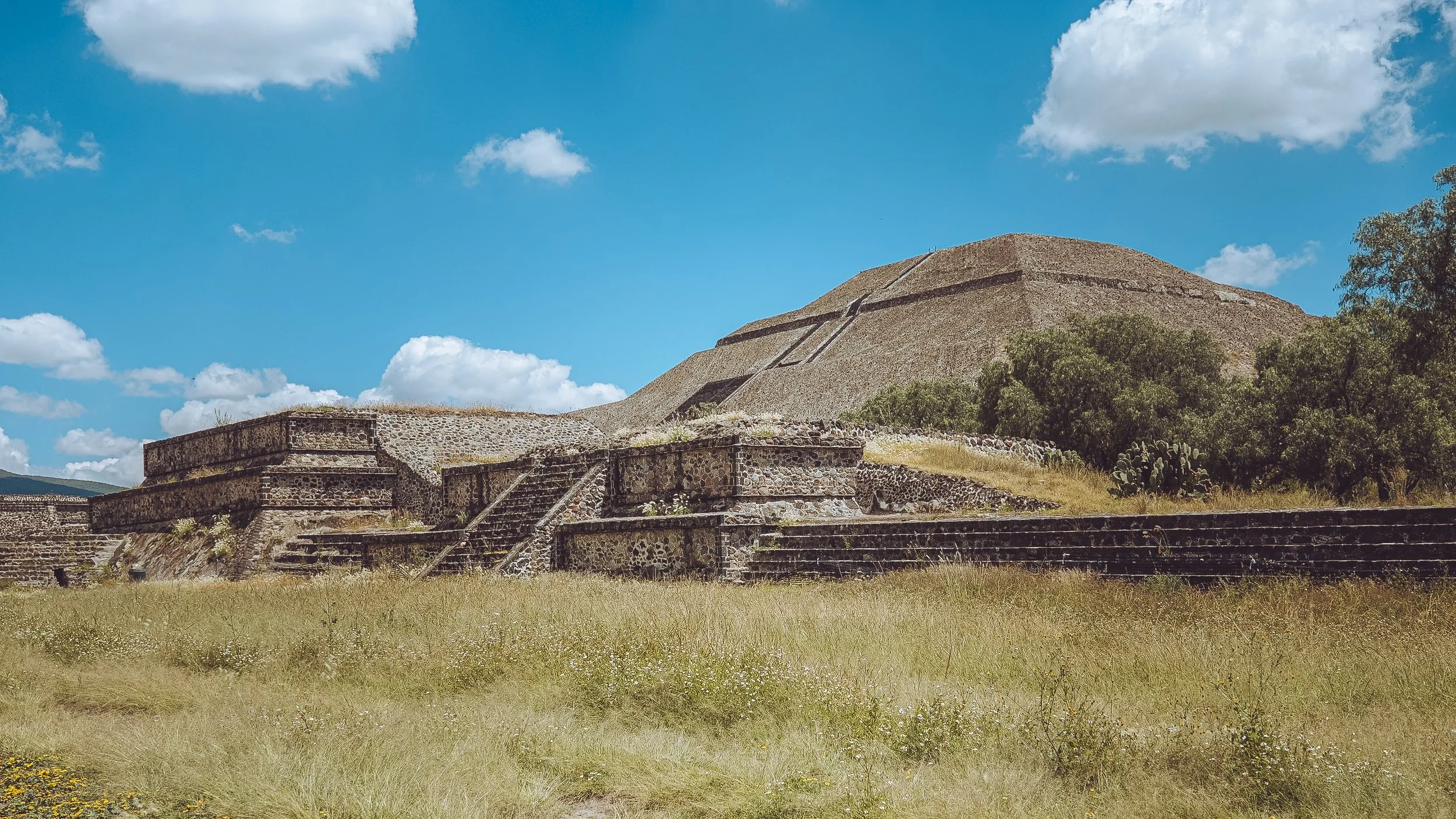
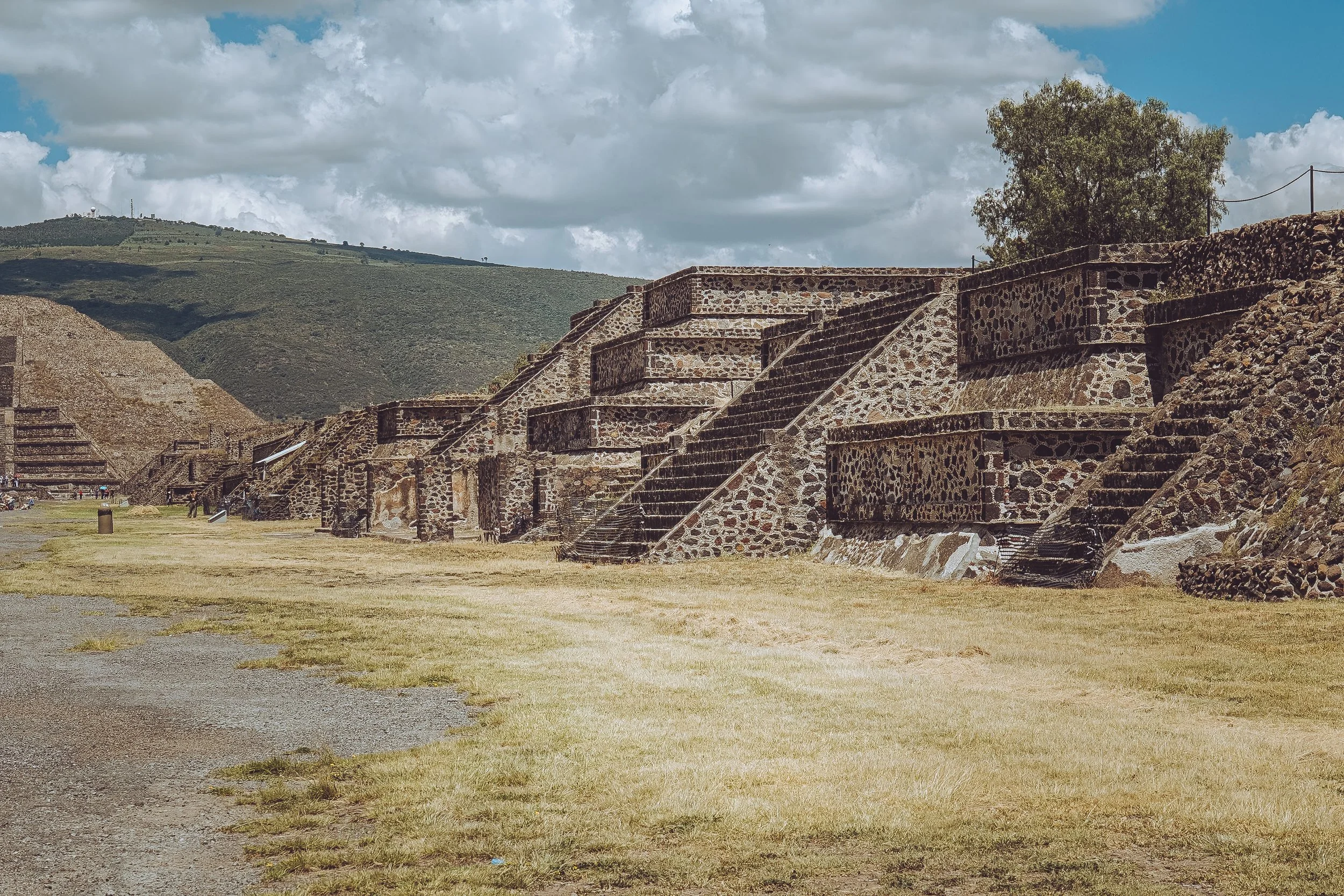
The visit to the archaeological site of Teotihuacan offers direct engagement with one of the most sophisticated construction traditions of pre-Columbian Mesoamerica. As a vast urban and ceremonial complex, Teotihuacan reveals advanced systems of planning, material organization, and construction that enabled the creation of monumental architecture at an unprecedented scale.
The tour will focus on the construction techniques and spatial logic of major structures, including the pyramids of the Sun and the Moon, and the Avenue of the Dead. Participants will examine the use of stone and earth infill, lime-based plasters, and the talud-tablero system, as well as the geometric principles that governed layout and proportion.
Attention will also be given to the organization of labor and resources, including the sourcing, transport, and assembly of materials across the valley. Rather than approaching the site solely from an archaeological perspective, the visit frames Teotihuacan as a place of technological innovation and construction knowledge, where building practices were closely tied to social organization, political power, and cosmological meaning.
This tour provides an opportunity to reflect on long-term continuities and transformations in building traditions in Mesoamerica, and to consider how ancient construction systems continue to inform contemporary understandings of architecture and engineering.
Recorrido por Teotihuacán — Monumentalidad, geometría y saber constructivo antiguo
Sábado 6 de junio. Salida: 8:00am Regreso 6:00pm
Punto de reunion para salida: https://maps.app.goo.gl/hc4uoZzPKoegR8Xz9?g_st=ic
Esta visita incluye transporte y un sándwich para el camino. Comidas y entradas al sitio no están incluidas.
La visita al sitio arqueológico de Teotihuacán permite un acercamiento directo a una de las tradiciones constructivas más sofisticadas del mundo prehispánico. Como un vasto centro urbano y ceremonial, Teotihuacán revela complejos sistemas de planeación, organización material y técnicas constructivas que hicieron posible la construcción de una arquitectura monumental a gran escala.
El recorrido se enfocará en las técnicas constructivas y la lógica espacial de las principales estructuras, incluidas las pirámides del Sol y de la Luna, así como la Calzada de los Muertos. Se analizarán sistemas como el talud-tablero, el uso de rellenos de piedra y tierra, los recubrimientos de cal y los principios geométricos que ordenan el trazado y la proporción del conjunto.
Asimismo, se abordarán aspectos relacionados con la organización del trabajo y los recursos, incluyendo la extracción, transporte y ensamblaje de materiales en el valle. Más allá de una lectura exclusivamente arqueológica, el sitio se interpretará como un espacio de innovación tecnológica y conocimiento constructivo, donde las prácticas edificatorias estuvieron estrechamente vinculadas con la organización social, el poder político y las concepciones cosmológicas.
Este recorrido ofrece una oportunidad para reflexionar sobre las continuidades y transformaciones de las tradiciones constructivas en Mesoamérica, y sobre la vigencia de estos sistemas en la comprensión contemporánea de la arquitectura y la ingeniería.
Xochimilco +Restaurante Los Manantiales
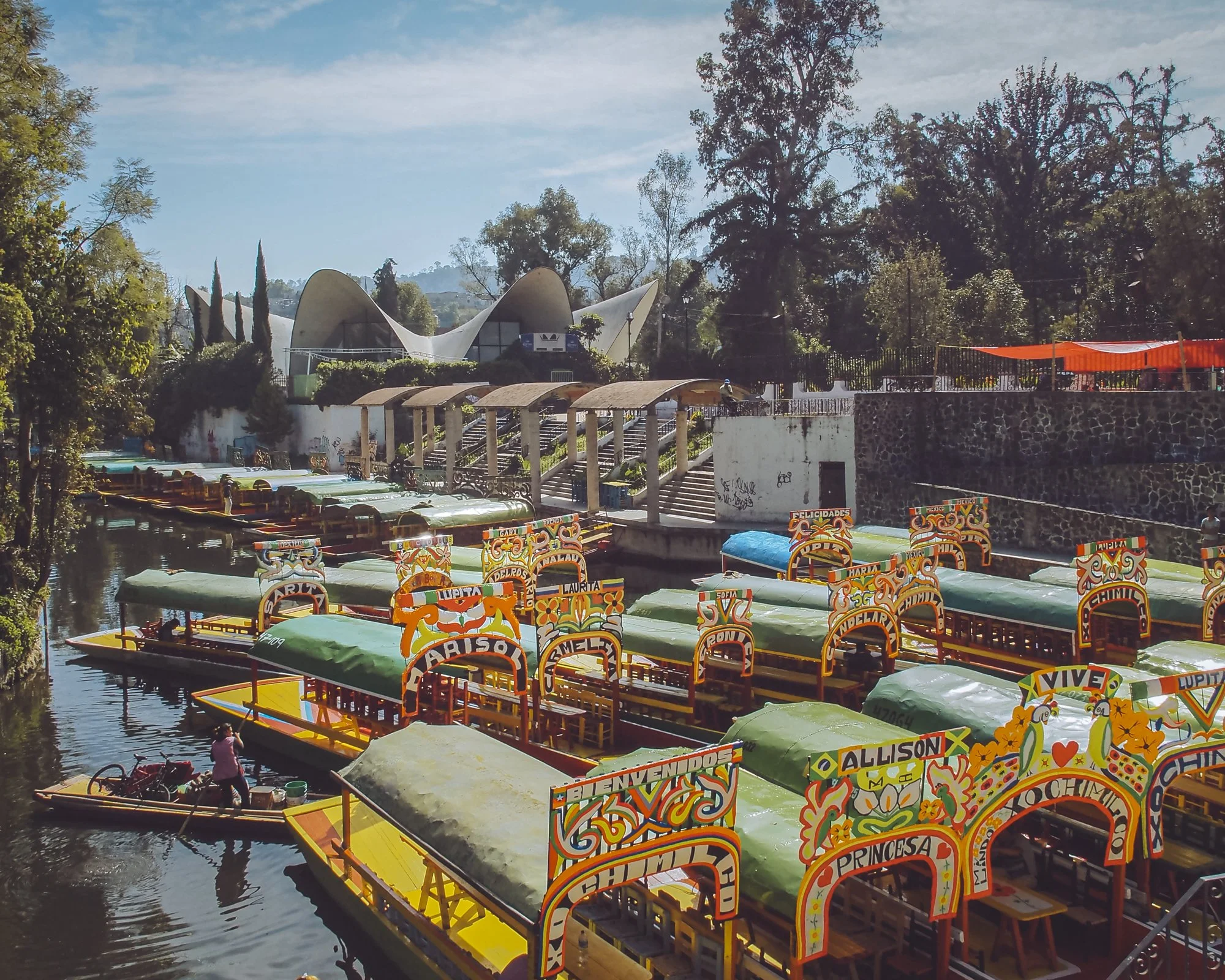
Extracurricular Visit — Xochimilco and Los Manantiales Restaurant
Sunday, June 7th. Meeting at the restaurant at 10:00am (plan for a 45min ride if you are around UNAM’s campus).
Location: https://maps.app.goo.gl/3x3TdsataxQzK8MFA?g_st=ic
After the visit, we plan to jump on a boat and have lunch there. The visit will end at around 3:00pm
As an extracurricular activity of the conference, we will organize an informal visit to Xochimilco, a UNESCO World Heritage Site, and to the iconic Los Manantiales Restaurant, one of the most celebrated works of Spanish-Mexican architect and engineer Félix Candela.
Located in the heart of Xochimilco, Los Manantiales (1958) stands as one of the most remarkable examples of twentieth-century structural experimentation in reinforced concrete. Its hyperbolic paraboloid shell roof represents a key moment in the history of modern construction, where geometry, structural efficiency, and architectural expression converge in an extraordinary way. The building reflects Candela’s ability to develop lightweight and economical structures through the sophisticated use of ruled surfaces.
The visit will also provide an opportunity to explore the cultural and territorial context of Xochimilco, internationally recognized for its historic chinampa system and canals, remnants of the ancient hydraulic landscapes of the Valley of Mexico. This setting offers a unique opportunity to reflect on the relationships between infrastructure, landscape, urbanization, and cultural heritage over time.
This activity will be informal in nature. Transportation will not be provided, and participants will be responsible for arriving at the site independently at the designated time. Registration for this visit will take place during the conference.
Visita Extracurricular — Xochimilco y el Restaurante Los Manantiales
Domingo 7 de junio. Reunión en el edificio a las 10:00am.
Ubicación: https://maps.app.goo.gl/3x3TdsataxQzK8MFA?g_st=ic
Después del edificio planeamos subirnos a una trajinera y comer ahí. La visita terminará como a las 3:00pm
Como actividad extracurricular del congreso, se organizará una visita informal a Xochimilco, sitio inscrito en la Lista del Patrimonio Mundial de la UNESCO, y al emblemático Restaurante Los Manantiales, una de las obras más reconocidas del arquitecto e ingeniero español-mexicano Félix Candela.
Ubicado en el corazón de Xochimilco, Los Manantiales (1958) constituye uno de los ejemplos más extraordinarios de experimentación estructural en concreto armado del siglo XX. Su cubierta de paraboloides hiperbólicos representa un momento clave en la historia de la construcción moderna, donde geometría, eficiencia estructural y expresividad arquitectónica convergen de manera excepcional. La obra refleja la capacidad de Candela para desarrollar estructuras ligeras y económicas mediante el uso de superficies regladas de gran sofisticación técnica.
La visita también permitirá explorar el contexto cultural y territorial de Xochimilco, reconocido por sus históricos sistemas de chinampas y canales, vestigios de los antiguos paisajes hidráulicos del Valle de México. Este entorno ofrece una oportunidad única para reflexionar sobre las relaciones entre infraestructura, paisaje, urbanización y patrimonio cultural a lo largo del tiempo.
Esta actividad será de carácter informal. No se proporcionará transporte; cada participante deberá llegar al sitio por cuenta propia a la hora indicada. El registro para esta visita se realizará durante los días del congreso.
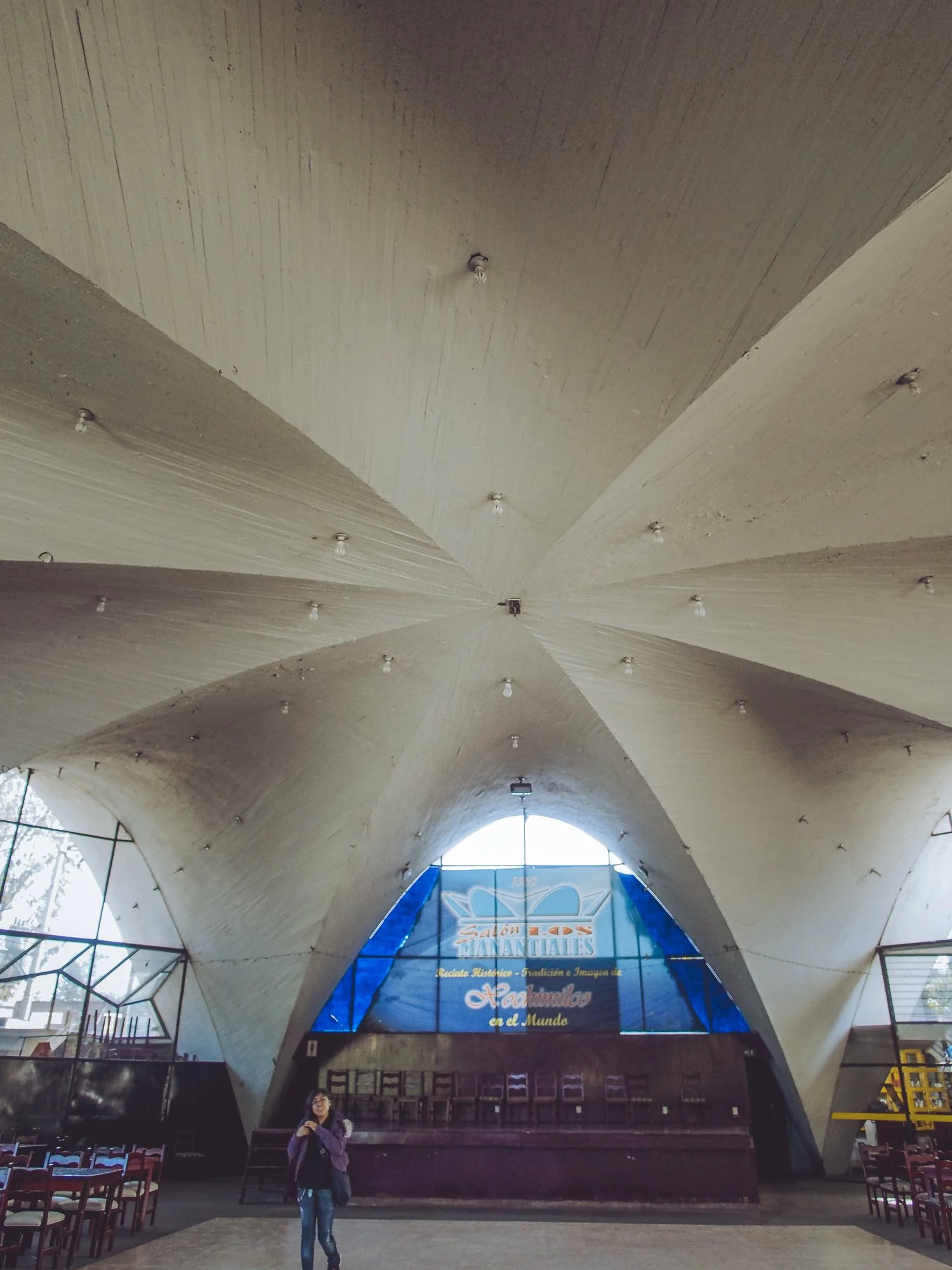
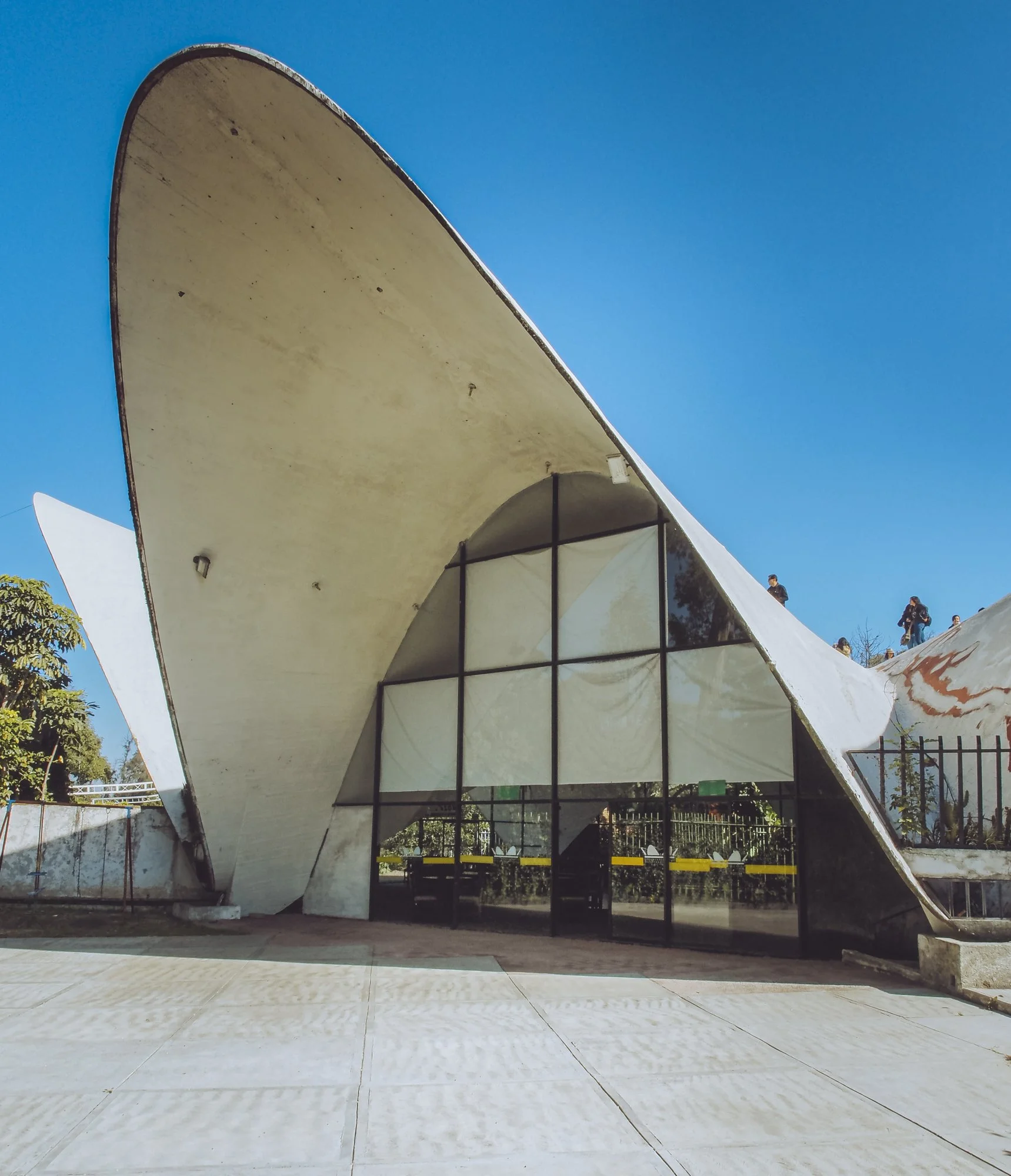
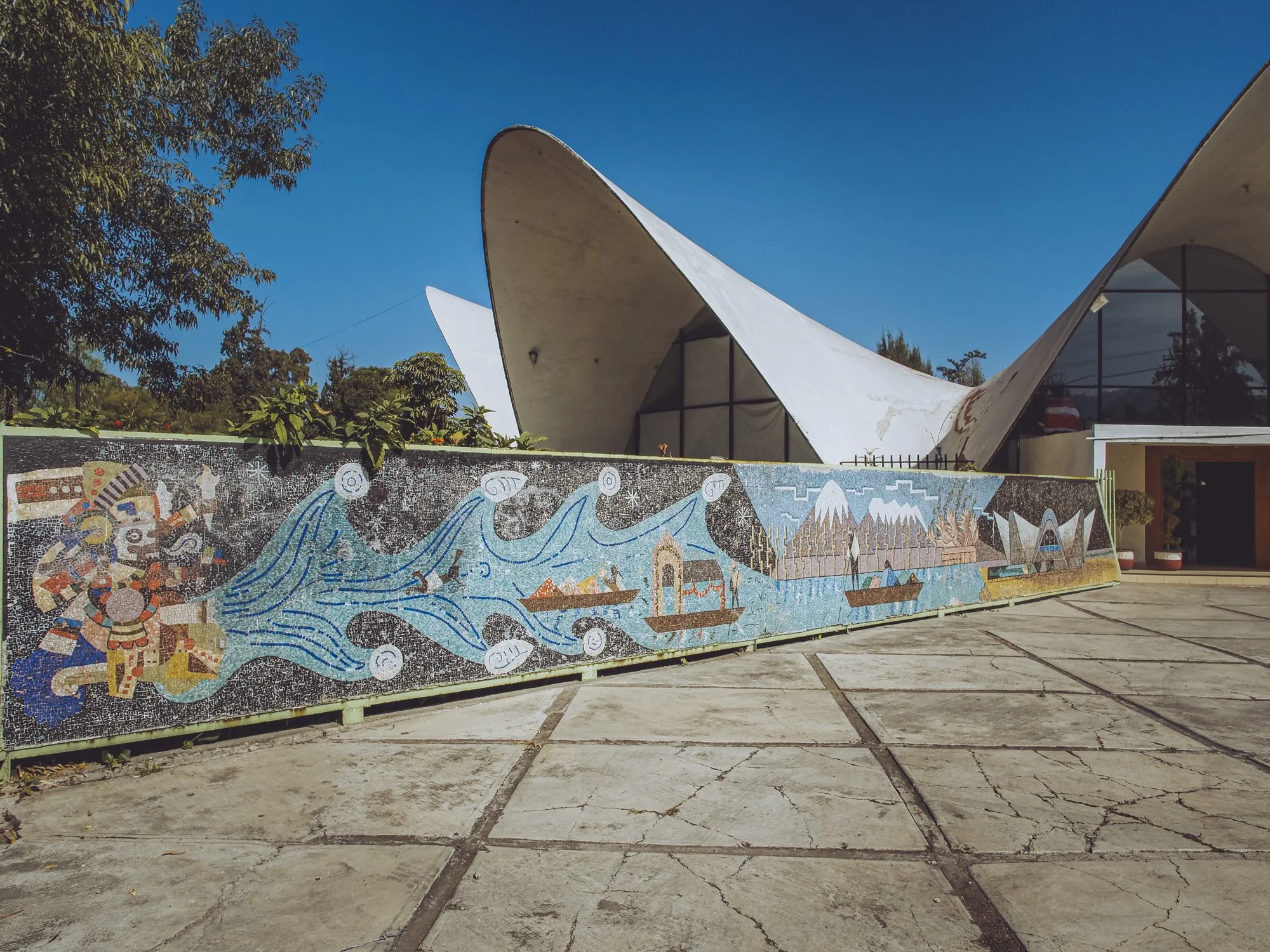
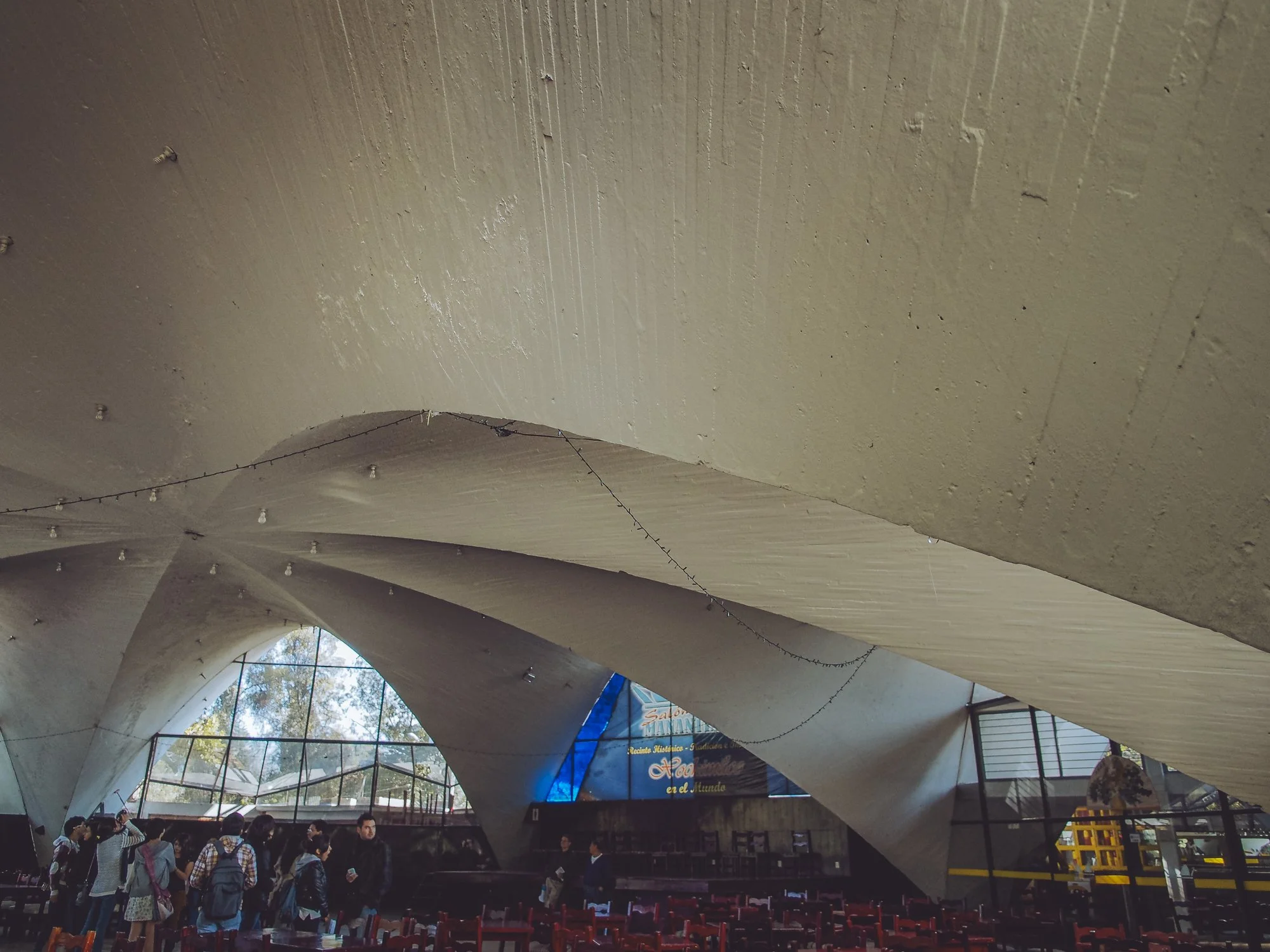
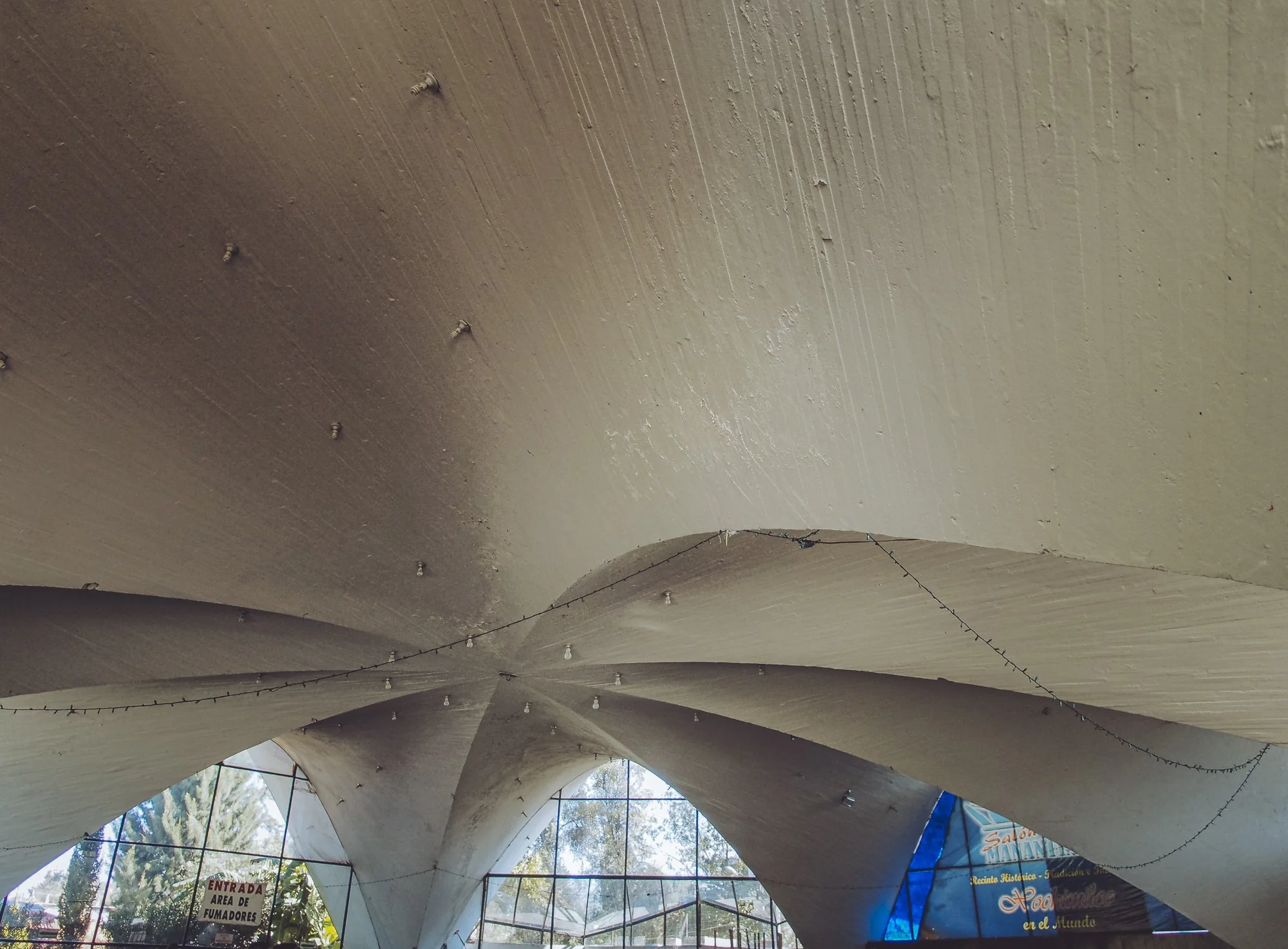
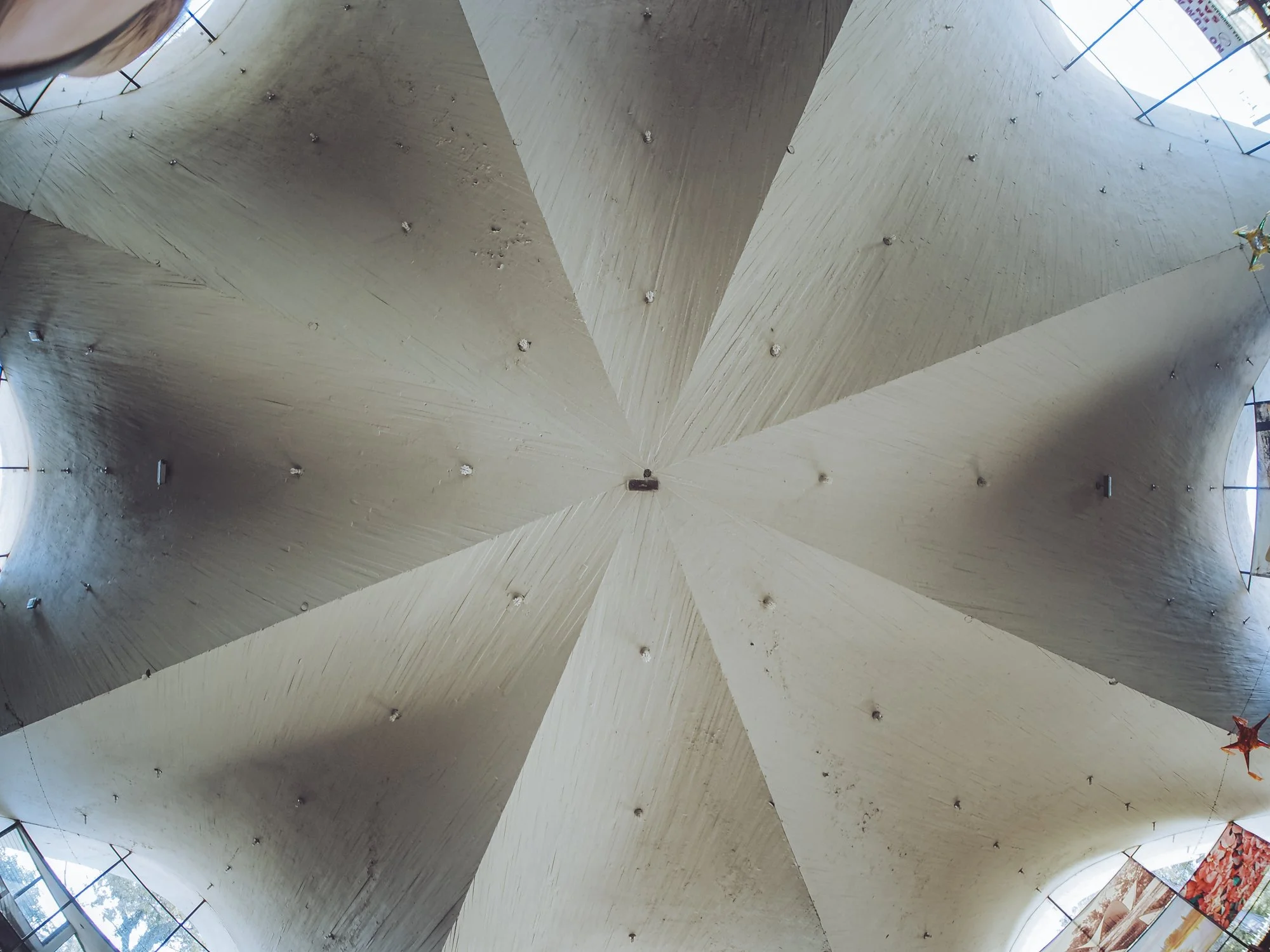
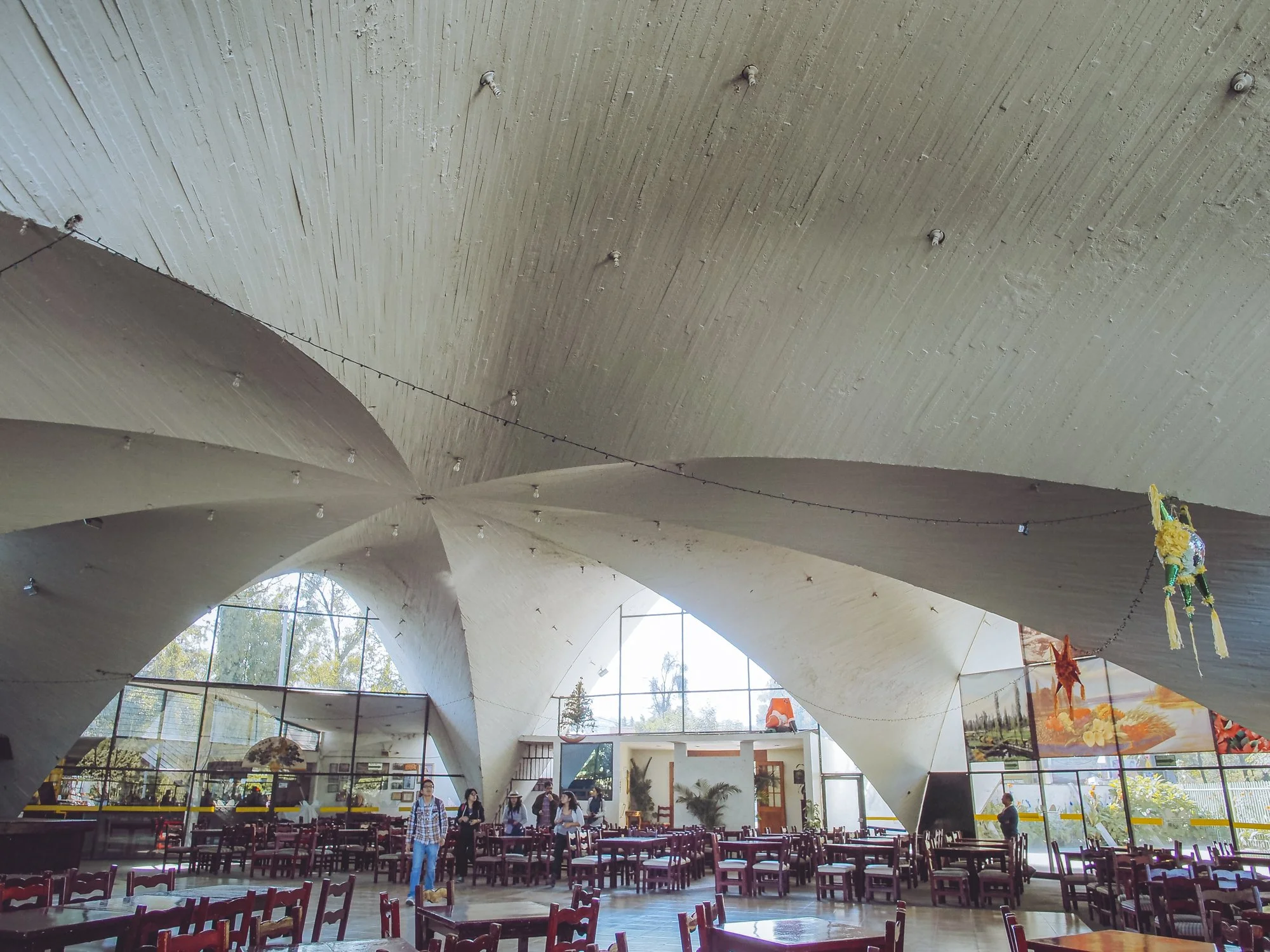
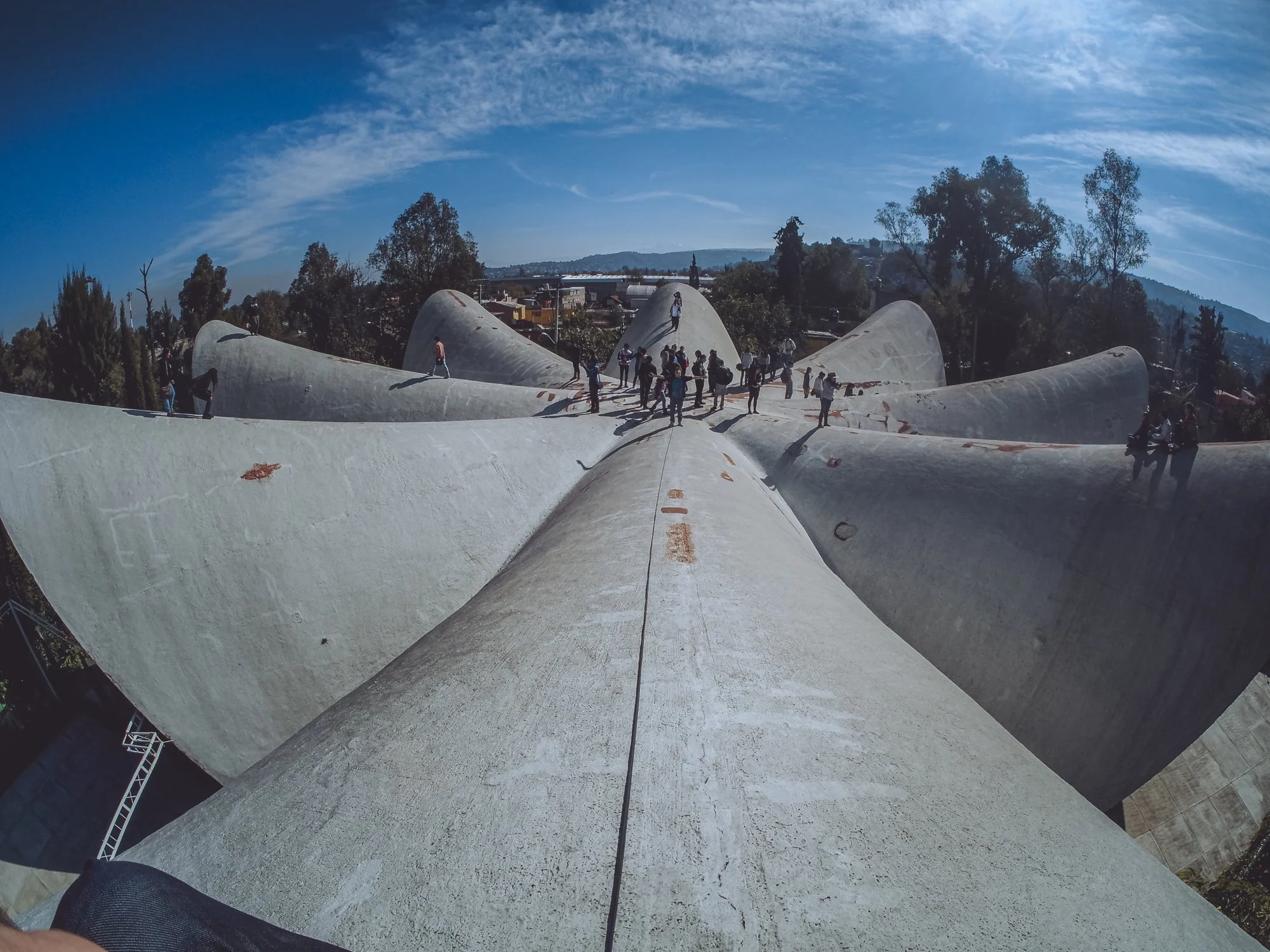
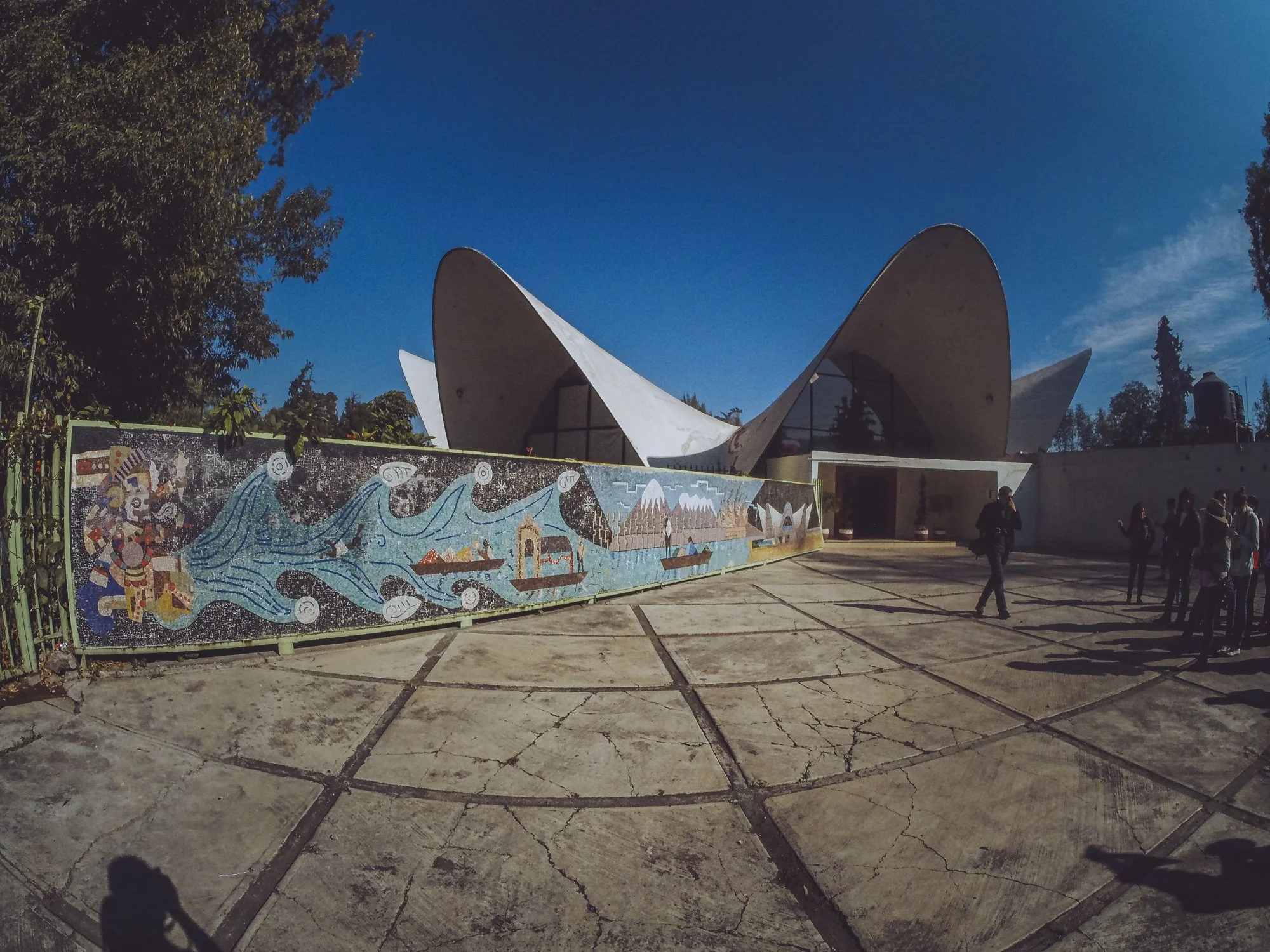
Exhibit / Exposición
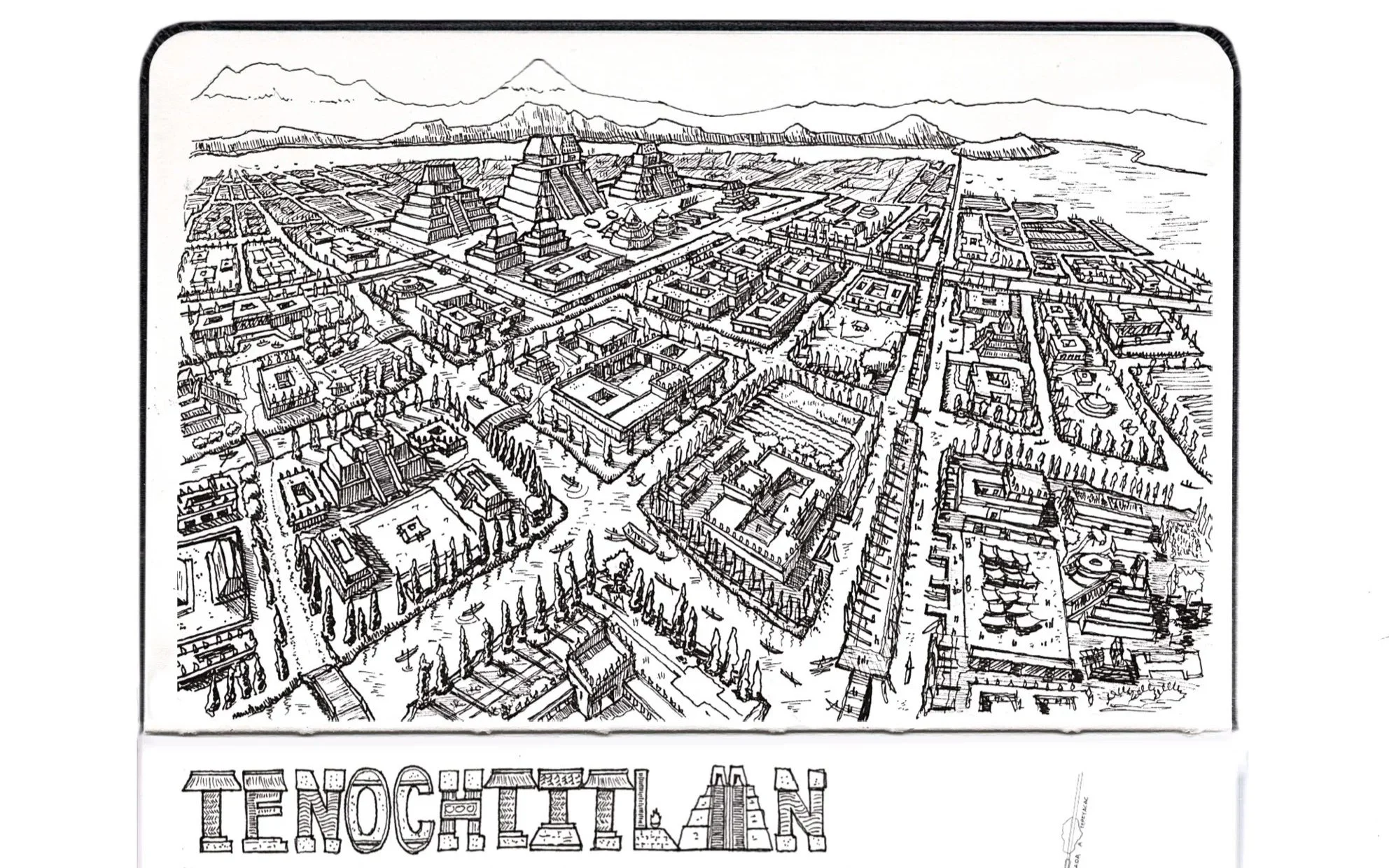
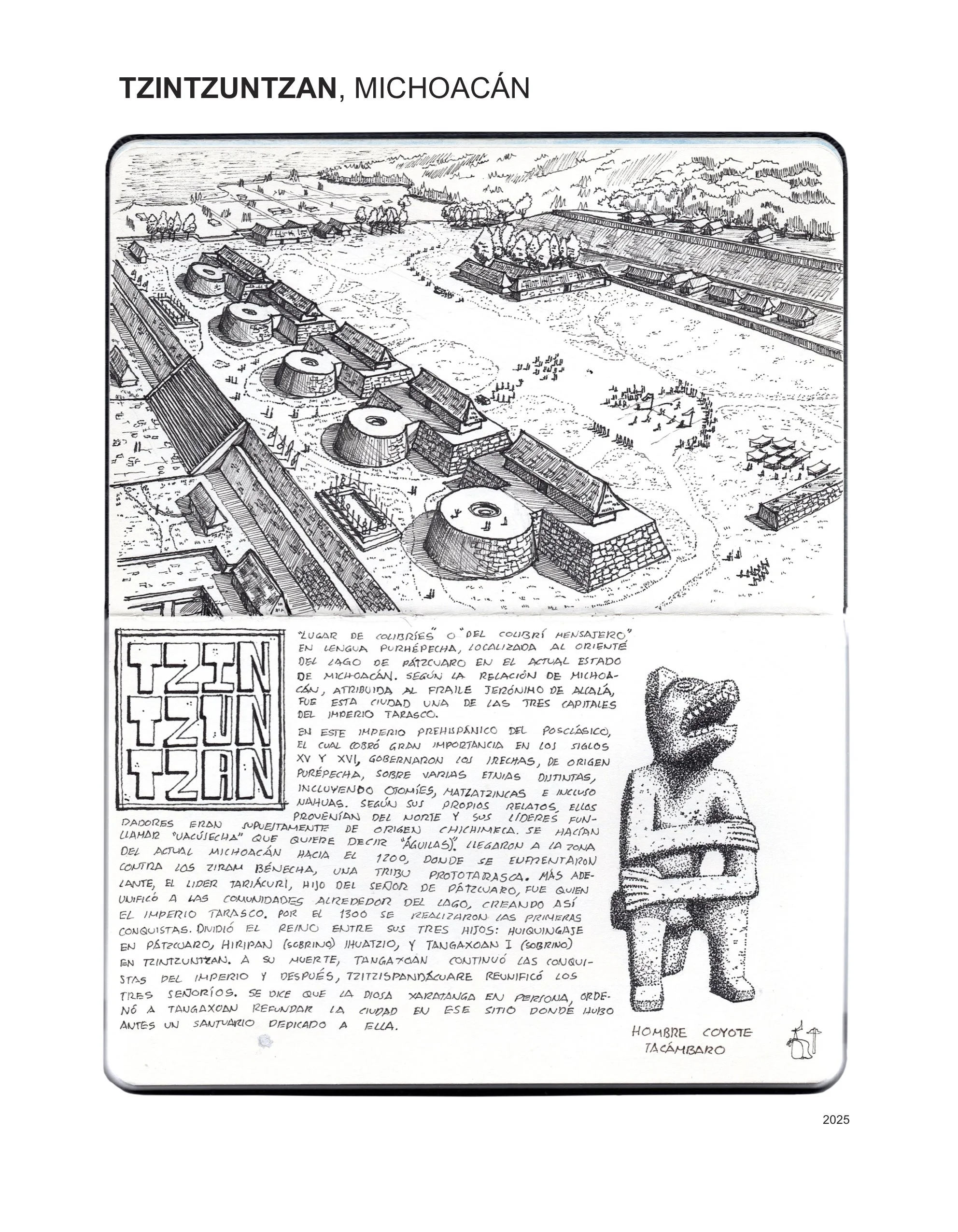
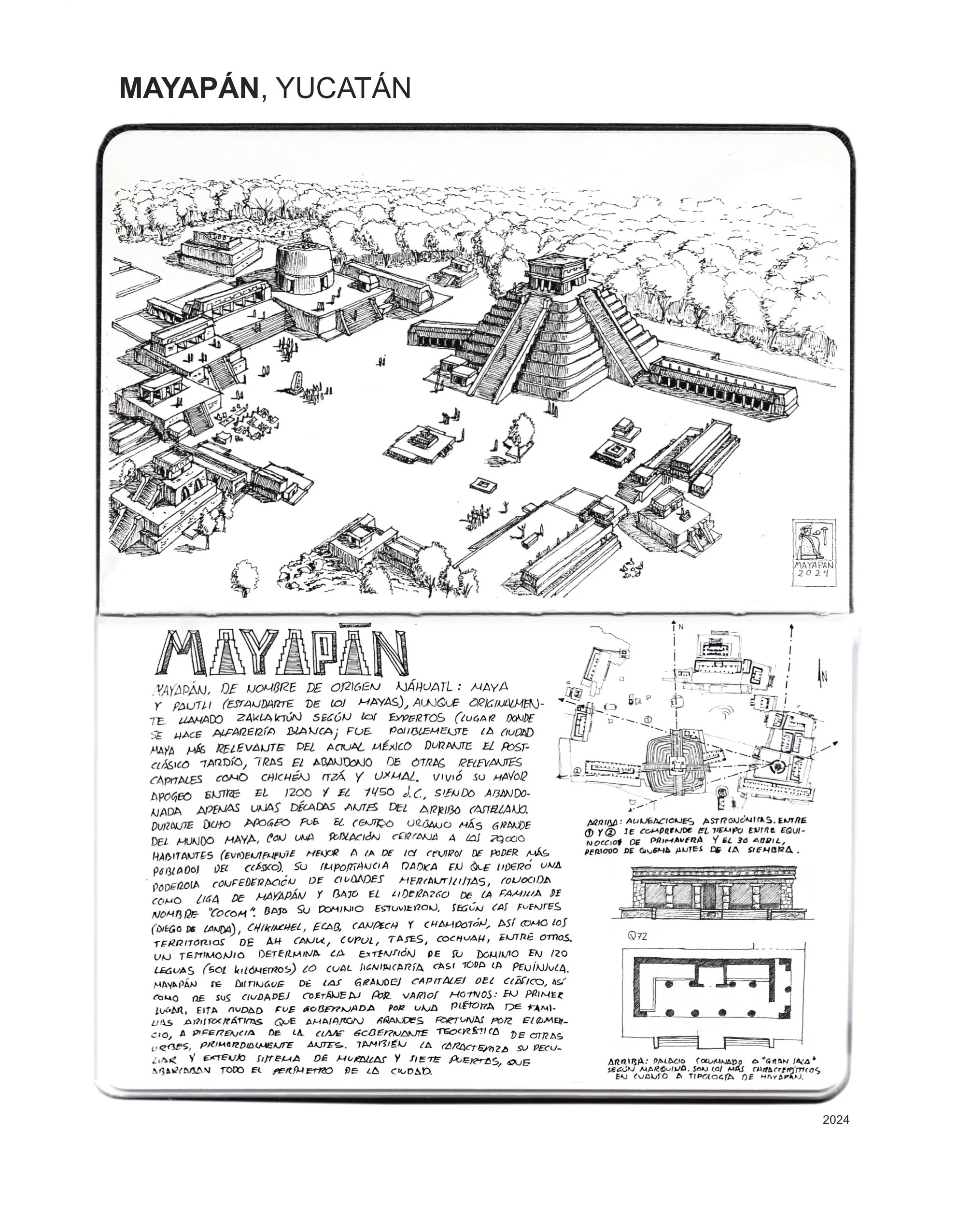
Bitácora de sitios prehispánicos
La bitácora de sitios prehispánicos es un proyecto inspirado en las ilustraciones de grandes maestros como Ignacio Marquina, Paul Gendrop y el Dr. Alejandro Villalobos. Surgió a raíz de anteriores experiencias retratando lugares por medio del esbozo con tinta, mismas por las que descubrí, a mi parecer, lo que genuinamente es la observación meticulosa de la arquitectura, la lectura de las líneas y las sombras, esa que deja los espacios grabados no sólo en el papel, sino también en la mente.
Dado mi creciente y profundo interés por las culturas prehispánicas, así como el desarrollo de mi trabajo de tesis de licenciatura en la zona arqueológica de Mayapán, comprendí que la mejor forma de sumergirme en ellas y buscar una interpretación propia de su espacialidad urbana,
sería a través de la reconstrucción hipotética, basada en gran medida en fuentes confiables, pero con un buen margen para la imaginación.
A través de la ilustración, uno puede hacerse partícipe de la cotidianidad de aquellos lugares, hoy monumentos silenciosos e impregnados por el tiempo, antaño ciudades vibrantes y llenas de vida. La bitácora de sitios prehispánicos busca ser un puente entre ambas realidades.
Rodrigo Moctezuma González
Alumno egresado de la Facultad de Arquitectura
UNAM
Pre-Columbian Sites Drawings
The Pre-Hispanic Sites Logbook is a project inspired by the illustrations of great masters such as Ignacio Marquina, Paul Gendrop, and Dr. Alejandro Villalobos. It arose from previous experiences portraying places through ink sketches, through which I discovered, in my opinion, what the meticulous observation of architecture truly is—the reading of lines and shadows, the kind that leaves spaces engraved not only on paper but also in the mind. Given my growing and profound interest in pre-Hispanic cultures, as well as the development of my undergraduate thesis work at the Mayapán archaeological site, I understood that the best way to immerse myself in them and seek my own interpretation of their urban spatiality would be through hypothetical reconstruction, based largely on reliable sources, but with ample room for imagination. Through illustration, one can become part of the daily life of these places, now silent monuments steeped in time, once vibrant and bustling cities. The logbook of pre-Hispanic sites seeks to bridge the gap between these two realities.
Rodrigo Moctezuma González Graduate of the Faculty of Architecture UNAM